Girona’s Hidden Gems: The 12 Best Cocktail Bars in the Old Town for 2026
Discover Girona's Old Town top 12 cocktail bars for 2026. Hidden gems, expert mixes, and unique vibes—your ultimate guide to the best drinks.
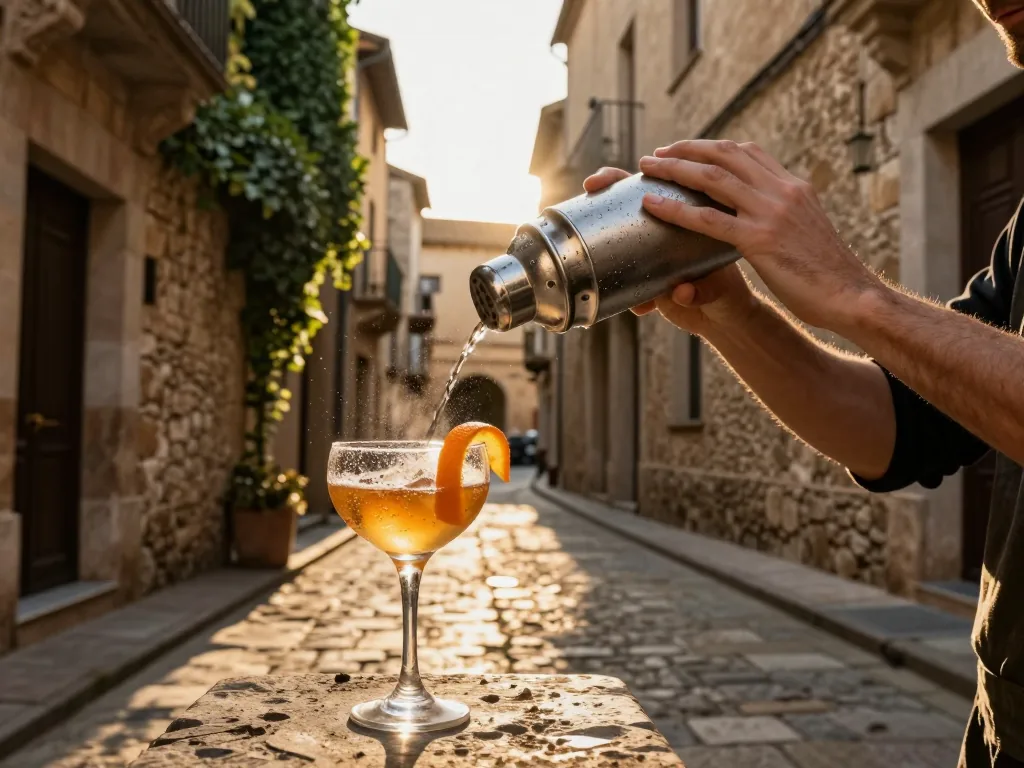
Girona’s medieval alleys and sun-washed plazas are steeped in history. But once the sun drops behind the cathedral, a quieter revolution stirs behind unmarked doors and in candlelit cellars. Beyond the tourist-trodden ramparts, a new wave of mixologists is turning the Old Town into Catalonia’s most unexpected cocktail destination.
We’ve navigated the labyrinthine streets to uncover the 12 best bars—from hidden speakeasies in 12th-century vaults to sky-high terraces with river views. These are the spots that will define your evenings in 2026.
Crave a smoked negroni? Prefer a saffron-infused gin sour? This curated list ensures you’ll sip like a local, not a tourist, in the heart of Girona’s most enchanting quarter.
Understanding the Old Town Layout and Drinking Zones
The Geographic Core of the Cocktail Scene
The Barri Vell is a compact, pedestrian-only maze enclosed by medieval walls. Nearly every worthwhile cocktail bar sits within a ten-minute stroll of the Cathedral steps. The highest concentration of venues clusters along three arteries: Plaça Independència, with its leafy, arcaded corners and terraces spilling onto cobblestones; Carrer de la Cort Reial, a narrow, lantern-lit passage that feels like a secret corridor; and the Rambla de la Llibertat, the broad promenade that hums with evening energy. The area is small and genuinely walkable, so you can easily cover four to six venues in a single evening without transport. You should, because each bar has a distinct personality—from candlelit wine cellars to minimalist gin parlors. A practical tip: start near the river (Riu Onyar) and work your way uphill, finishing at a terrace with cathedral views. That way, you’re always moving toward the best light and the most dramatic backdrop as the night deepens.
The 2026 “Slow Drinking Zone” Pilot Program
Since January 2026, the Girona City Council has officially designated the entire Old Town as a Slow Drinking Zone—a pilot program aimed at curbing noise and promoting mindful hospitality. What does that mean for you? Seated service is mandatory in all licensed cocktail bars; you cannot order at the counter and stand. Pours are smaller than typical American servings—expect a standard cocktail of around 100–120 ml rather than 180 ml—so you’ll taste more without getting overserved. Happy-hour promotions are banned outright, so don’t hunt for two-for-one deals; prices are stable all evening. The practical effect is a more relaxed, conversational pace rather than a fast-paced crawl. Plan for longer stays per venue (45–60 minutes minimum), savor each drink slowly, and consider pairing cocktails with the small tapas plates many bars now offer. Prices for a well-crafted cocktail in 2026 range from €9 to €14 per drink, with premium spirits or barrel-aged creations reaching €16–€18. The zone is a deliberate pushback against “drink-and-dash” tourism—embrace it. You’ll leave with better memories, deeper conversations, and a clearer head for tomorrow’s exploration of Girona’s hidden corners.
Decoding the Local Cocktail Style: The Empordà Twist
What Defines the Empordà Twist
Forget the predictable Negroni or the tired Aperol Spritz. By 2026, Girona’s old town has crystallised a cocktail identity so distinct it now has a name: the Empordà Twist. This isn’t a fleeting garnish trend or a bartender’s vanity project—it’s a direct translation of the Ampurdán region’s terroir into liquid form. The style leans heavily on local wines, especially Garnatxa (red and rosé) and the crisp, floral Macabeu, used as a base or a modifying split rather than a mere top-up. Expect a generous hand with extra-virgin olive oil, often clarified into a silk-textured fat-wash or emulsified into a savoury foam, alongside a near-obsessive use of fresh herbs—rosemary, thyme, wild fennel—that grow on hillsides minutes from the city walls. This is no gimmick; it mirrors the region’s culinary identity. Most bars list these ingredients on their chalkboards, proudly displayed rather than hidden in fine print. Drinks lean savoury, slightly bitter, and herbaceous, with a mineral finish that echoes the local wines.
How to Order Like a Local
Walking into a Girona cocktail bar with a classic-list mentality gets you a polite but underwhelming experience. Locals know the real magic lies in the seasonal rotation. When you sit down, skip the menu and ask for the carta de temporada—the seasonal menu. That’s where bartenders flex their craft, and they genuinely expect you to engage with the ingredients. The chalkboard lists market-sourced produce—stone fruit in late summer, wild mushrooms in autumn, citrus and fennel in winter—paired with a specific local wine or herb. Bartenders are trained to explain their sourcing, so don’t hesitate to ask for a recommendation based on your preferred spirit base. Love gin? They’ll point you to a Macabeu-based sour with rosemary oil. Prefer rum? Expect a Garnatxa-washed blend with a thyme tincture. These crafted seasonal cocktails run €12 to €16 per drink, reflecting premium ingredients and the labour of clarification and infusion. Order confidently, ask questions, and you’ll leave with not just a great drink but a story about the region’s harvest.
The Rise of Zero-Proof and Low-ABV Menus
Walk into any of the Old Town’s better cocktail dens this year, and you’ll spot something unthinkable a decade ago: a dedicated page for the sober or semi-sober drinker. At least five established bars—including the stone-vaulted La Bóveda and the candlelit Carrer del Gin—now offer full zero-proof pairing menus. These aren’t a single token mocktail tacked onto the list’s end. They’re crafted with the same logic as their alcoholic siblings: local thyme and rosemary from the Mercat del Lleó, dealcoholized Empordà wines, and seasonal stone fruit from the Gironès orchards. The push has been fueled by the city’s “Girona Saludable” tourism campaign and a quiet but persistent nudge from local health councils, which have urged venues to treat non-alcoholic options as a craft, not a compromise. Expect to pay €6 to €12 per zero-proof serve, often presented with the same garnishes, glassware, and theatrical pour as a full-strength cocktail.
Meanwhile, the low-ABV trend has moved from niche curiosity to mainstream strategy for bar-hopping the Old Town’s labyrinthine lanes. These drinks—typically 10% ABV or less—lean hard on regional assets: Catalan vermouth (especially the herb-forward, bitter styles from Reus), dry amontillado sherry, and the lightly sparkling local cava. A vermouth-based “Girona Spritz” with a twist of orange peel and a dash of orange blossom water is now a standard palate cleanser between stronger rounds, priced from €7 to €13 per glass. The genius of the low-ABV menu? It lets you pace yourself without sacrificing complexity. A sherry Cobbler with macerated strawberries and a sprig of mint, or a cava-based “Fino Tonic” with a saline olive brine, offers enough structure and acidity to reset your palate without dulling it. For the 2026 visitor, the smart play is to alternate: one full-strength signature cocktail, one low-ABV refresher, and one zero-proof “herbal sour” that mimics egg white’s mouthfeel with aquafaba and local wild fennel. The Old Town’s bar scene has finally figured out that the best night out is one where you remember the last bar—and can still taste the first one.
Licensing, Hours, and Terrace Rules for 2026
Closing Times and Weekend vs. Weekday
Before you hit Girona’s cobbled lanes, memorize the 2026 clock. Licensing laws in the Old Town are strict but predictable. Monday through Thursday, last call hits at 1:00 AM, with doors locked and glasses cleared by 1:30 AM. Weekends—Friday, Saturday, and Sunday—buy you an extra hour and a half: service ends at 2:30 AM, venues close by 3:00 AM. Don’t expect a gentle nudge. Most bartenders stop pouring 30 minutes before the cutoff, so order that final Negroni by 12:30 AM on a Tuesday or 2:00 AM on a Saturday. A few hidden spots—usually inside hotels or holding special “nightlife” permits—may stretch to 3:30 AM on weekends, but they’re rare and often require a reservation. Plan your route: start early, savor a slow-sipped Old Fashioned, and you’ll never hear the dreaded “last call” mid-sip.
Outdoor Terrace Limitations
Al fresco seating amplifies Girona’s charm, but 2026 rules cap outdoor terraces at 50% of a venue’s total capacity. During peak season—roughly May through September—tables overlooking the Onyar River or Cathedral steps vanish fast. Arrive at 9 PM on a July Friday expecting a breezy spot, and you’ll likely be disappointed. To secure one, show up by 7:00 PM, when doors open and the first round is still quiet. Or embrace the indoors. Many of the Old Town’s best cocktail dens—like the stone-vaulted cellars near Sant Feliu—keep terraces small on purpose, preserving a moody, speakeasy vibe. Inside, you get better acoustics, closer bartender attention, and a front-row view of the craft. Note that terrace service pauses during sudden summer downpours, and heaters are banned outdoors after October under energy rules. For 2026, expect a small surcharge on terrace drinks—typically €1 to €3 per cocktail—while indoor menus stay standard. Choose wisely: the view is lovely, but that hidden basement bar might be the true gem you came for.
Seasonal Ingredients and the Mercat del Lleó Connection
Why the Market Matters
The beating heart of Girona’s cocktail renaissance isn’t a distillery or a lab—it’s a bustling, stone-vaulted food market a five-minute stroll downhill from the Cathedral. Mercat del Lleó has anchored the city’s culinary scene since the 1960s, but by 2026 it’s become the unofficial pantry for the Old Town’s best bartenders. This isn’t a marketing gimmick; it’s logistical reality. Stalls stacked with ruby-red strawberries in spring, wild mushrooms in autumn, and year-round citrus from the nearby Costa Brava supply the herbs, fruits, and edible flowers that end up in your glass. Many bars now update menus daily, scrawling the day’s finds on chalkboards propped next to the bar. Walk in on a Tuesday and you might find a gin sour brightened with fresh fig pulp; return Thursday and it’s been replaced by a basil-and-peach smash. The connection is direct: what the market didn’t sell this morning simply won’t be poured tonight. This hyper-seasonality means no two visits are ever the same—and it’s the single biggest reason Girona’s cocktail scene feels more alive than Barcelona’s more commercialized circuits.
How to Use the Market for Your Own Bar Crawl
To truly drink like a local, start your day at Mercat del Lleó, not at a bar. The market opens early and winds down by early afternoon, so go between 9 and 11 a.m. Walk the produce aisles, note what’s at its peak—look for the stalls with the longest queues of restaurant buyers. Is it garrofa (carob) season? Are the first clementines in? Are there baskets of tiny, fragrant wild strawberries? Take a photo or jot down three or four items that catch your eye. Then, when you hit the cocktail bars later that evening, use that knowledge as your opening line. Ask the bartender, “I saw fresh quince at the market this morning—have you done anything with it?” This will almost always spark a genuine conversation, and you’ll often be rewarded with a taste of something off-menu or a detailed explanation of how they’ve steeped, smoked, or muddled that specific ingredient. It’s the surest way to ensure you’re drinking the freshest possible cocktail—something that was, in many cases, still on the vine or the tree less than twelve hours prior. For a full bar-crawl experience, budget from €9 to €14 per cocktail, and let the market’s rhythm guide your choices from aperitif to nightcap.
Navigating Girona Cocktail Week 2026
If your visit to Girona’s Old Town coincides with the third week of May, you’ve stumbled into the city’s most intoxicating annual ritual. Girona Cocktail Week runs from May 11–17, 2026, transforming the cobbled labyrinth of the Barri Vell into a liquid treasure hunt. The mechanics are simple but brilliantly effective: purchase a physical passport—available at any participating bar or the tourist office near the Cathedral—for €12 to €18. That passport grants access to a curated tasting flight at each of the 20-odd venues. You’ll receive a small, spirit-forward pour (typically 40–60 ml) designed specifically for the week, often a playful twist on a classic or an experimental use of local Catalan herbs like ratafia or marcona almond orgeat. As you collect stamps, the passport fills up. Reach six, and you unlock the final reward: a complimentary pour at a partner restaurant (think a vermouth spritz with a tapas board) or a 20–30% discount on a full cocktail at a flagship bar the following week.
Now, a word on strategy, because going in blind is a rookie mistake. The passport’s genius is that it nudges you away from the obvious, heavily reviewed spots like the iconic (and always crowded) Elefant Blau. Instead, chase the smaller, atmospheric dens—the ones tucked above bakeries or behind unmarked iron doors. Prioritize venues you’ve never heard of; the reward system is designed to make you a bar-hopping explorer, not a creature of habit. Also, recalibrate your expectations on volume. The flights are deliberately smaller than regular house pours—think a generous shot rather than a full coupe. This is a blessing. You can comfortably visit five to seven bars in a single evening without stumbling over the ancient Roman walls. Pace yourself with local custom: order a glass of still water (tap is fine, but sparkling is common) at every third stop, and eat a proper pa amb tomàquet with anchovies mid-evening to absorb the alcohol. Finally, go early—start at 6:30 PM when bars open their passport windows—to avoid the 9 PM rush of locals who treat the week as a serious sport. Do that, and you’ll see more of Girona’s hidden corners in one week than most visitors see in a month.
Avoiding Tourist Traps and Finding Authentic Spots
The Old Town’s cobbled alleys draw crowds, and where crowds gather, opportunists follow. The gap between a mediocre drink and a memorable one often comes down to how you read the room before you sit down. Here’s how to tell genuine craft from tourist-bait.
Red Flags to Watch For
Trust your instincts at the doorway. If a bar has an aggressive promoter outside with a clipboard, or a host waving you in with a laminated menu of glossy cocktail photos, walk on. Those venues survive on volume, not quality. And be deeply suspicious of any “Happy Hour” sign—it’s banned throughout the city’s Slow Drinking Zone, a pedestrian-friendly initiative that favours leisurely consumption over rapid-fire discounts. A bar flouting this rule is either ignorant of local law or deliberately misleading you.
Glance at the back bar next. Rows of identical, brightly coloured pre-mixed bottles or a wall of artificial syrups—neon blue curaçao, fluorescent strawberry—are a hard pass. Authentic spots don’t hide behind shortcuts. You’ll find fresh herbs in water glasses on the counter, and often a small crate of market produce—citrus, seasonal fruit, maybe local apples—within arm’s reach of the shaker. If the only “fresh” thing is the garnish umbrella, you’re in the wrong place.
How to Spot a Quality Venue
Flip the script. A truly excellent bar often announces itself with a simple chalkboard outside, listing today’s ingredients: “Fig leaf-infused gin, local honey, lemon thyme.” That’s your first green light. Step inside and look for a spirits shelf that’s deliberately small but thoughtfully curated—a dozen gins, two or three vermouths, one rare amaro, rather than a wall of mass-market vodka. The bartender should greet you not with a scripted specials list but with a question: “What do you normally enjoy, and what mood are you in tonight?” That’s the hallmark of a place that wants to build a drink for you, not just pour one.
Finally, check for two local staples done properly. A bar pouring house-made tonic—not just a commercial brand—or offering vermouth on tap (often a small-batch Catalan production) is signalling serious intent. These are everyday drinks in Girona, but made with care, they’re the purest test of a venue’s standards. If they nail a simple vermut with a good orange slice and a chilled glass, they’ll almost certainly nail your cocktail too. Expect to pay from €8 to €14 per drink at such spots—a fair price for the craftsmanship, and well worth the effort of finding them.
Building Your Ideal Bar-Hopping Itinerary
The Old Town’s greatest strength is its compactness. You can traverse its entire medieval labyrinth in under twenty minutes on foot, which makes it a natural playground for a curated bar crawl. But doing it right takes a plan—one that balances historic atmosphere, modern craft, and the city’s famous late-night energy. Whether you have three hours or six, here’s how to structure your evening.
The Classic Three-Stop Route
Start where Girona’s social life has hummed for over a century: the arcaded Plaça Independència. Pick a traditional vermouth bar on the square’s northern edge, one with worn marble counters and a copper tap. Order a house vermut de Reus with a twist of orange and a fat green olive, served over ice. It’s a slow, bitter-sweet opening that respects the city’s aperitivo heritage without filling you up. From there, walk two narrow blocks south to Carrer de la Cort Reial, the Old Town’s most atmospheric lane. Slip into a speakeasy tucked behind an unmarked iron door—the kind where the bartender asks your spirit preference before handing you a menu. Order a signature cocktail built around Empordà wine or a local gin infused with Mediterranean botanicals. Expect something herbaceous, slightly saline, and utterly unlike anything in Barcelona. Finish on the Rambla de la Llibertat, where evening light filters through plane trees onto café terraces. Choose a bar on the western side, order a low-ABV spritz or a zero-proof shrub with sparkling water, and watch the promenade come alive as the cathedral bells mark the hour.
The Extended Six-Stop Route for Enthusiasts
True cocktail hunters should add three more stops. First, detour toward the Mercat del Lleó, the covered market near the river. A bar just opposite its eastern entrance uses the day’s unsold stone fruit and citrus to build a rotating seasonal sour—ask what’s fresh. Second, find a venue with a proper terrace overlooking the Onyar river. Arrive by 9:00 PM to secure a rail seat before the crowds surge. Their gin-and-tonic list is enormous, but the real draw is the view of colorful houses reflecting on the water. For your last stop, head to a late-night institution on Carrer de les Ballesteries that stays open until 2:30 AM on Fridays and Saturdays. This is where locals come after dinner—order a stirred, spirit-forward digestif like a Boulevardier or a local amaro cocktail. Throughout the evening, pace yourself: a glass of still water between every drink, and share a plate of pimientos de padrón or jamón ibérico at the terrace stop. With this structure, you’ll experience the full spectrum of Girona’s bar culture, from ritual to reinvention, without ever feeling rushed.
Conclusion
Girona’s Old Town has outgrown its medieval postcard image. Today, it’s a living, sipping landscape—stone arches hide some of Catalonia’s most inventive mixology. At La Bodega del Call, saffron-infused negronis await. Behind a bookcase in Plaça del Vi, smoked rosemary old fashioneds are poured. Each of these twelve bars proves the city’s real treasure: its knack for surprising you after dark. Whether you’re new or a regular, the move is simple. Start at the oldest bar on Carrer de la Força, order their signature vermouth, and let the cobblestones lead you to the next hidden door. Save this list, bring a friend, and make 2026 the year you swap tourist tapas for a proper Old Town crawl. You won’t see Girona the same way again.