Girona’s Best Craft Beer Bars: Where to Drink Like a Local
Discover Girona’s best craft beer bars and drink like a local. From hidden taprooms to lively brewpubs, find top spots for unique pints in Spain.
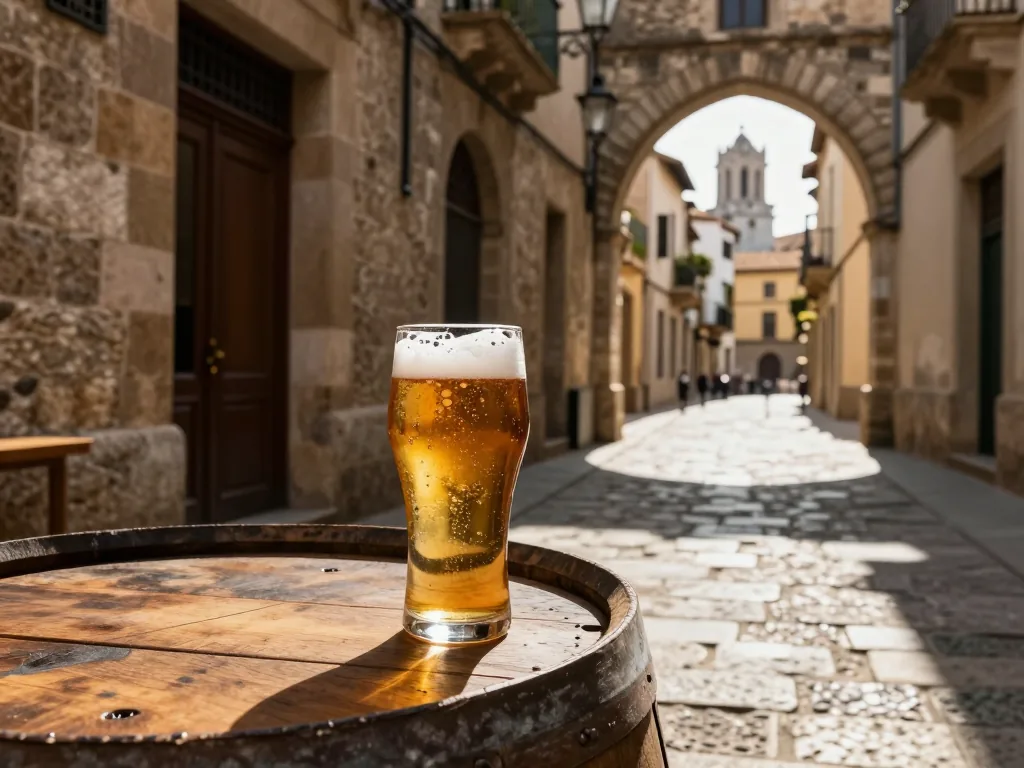
Behind Girona’s medieval stone walls, a craft beer revolution hums—one most visitors never stumble upon. It’s a close-knit circuit of bars where Catalan brewers share taps with cult international labels. This guide cuts past the tourist trail to reveal where locals actually pull up a stool, from stripped-down taprooms to hidden terraces. You’ll learn to order with confidence, know what a fair pint costs, and see why timing your crawl between 7 and 10 p.m. changes everything. Chasing a hazy IPA or a sour aged in local wine barrels? Here’s your key to drinking Girona like you’ve called it home for years.
Understanding Girona’s Craft Beer Landscape
The Catalan Craft Beer Context
Girona sits at the heart of a regional movement that prizes small-batch production, experimental styles, and a deep sense of place. Catalonia has long been a hub of gastronomic innovation, and its beer scene is no exception. Here, craft brewing isn’t about chasing global trends; it’s about expressing terroir. Brewers often turn to local ingredients—citrus from the Costa Brava, wild yeasts from the Pyrenees, even Mediterranean herbs—to shape their recipes. You’ll find everything from hop-forward IPAs and juicy hazies to farmhouse ales, barrel-aged sours, and traditional lagers reimagined with modern techniques. The region’s proximity to France and its rich wine culture also inspire experimentation with wine-barrel aging and grape must additions, yielding beers that feel distinctly Catalan. This isn’t a scene that merely mimics American or Belgian styles. Instead, brewers take classic forms and bend them to a local palate that favors balanced bitterness, bright acidity, and drinkable complexity.
What to Expect on the Tap List
Most bars rotate their taps frequently, so the lineup shifts week to week. You’ll typically see a core of Catalan breweries—names like La Pirata, Garage Beer Co., and Edge Brewing often feature prominently—alongside a rotating selection of guest beers from elsewhere in Spain and Europe. Bottle lists go deeper, offering rare and vintage releases you won’t find in your average supermarket. A typical tap list in Girona breaks down roughly as follows:
- Local Catalan breweries: usually 50–70% of the taps, with a strong emphasis on fresh, unfiltered options
- Spanish guest beers: from regions like Basque Country or Valencia, offering a broader view of the national scene
- International imports: often from Belgium, Germany, or the UK, especially for traditional styles like lambics, Trappist ales, and altbiers
- Style variety: lagers, pale ales, IPAs, stouts, sours, and wild ales, with a noticeable lean toward sessionable and sour styles during warmer months
Prices for a standard 33cl pour range from €3.50 to €6.50 per glass, while larger 50cl servings or rare bottle pours can run from €7 to €15 per bottle, depending on rarity and age. Tasting flights, where offered, typically cost from €8 to €14 per flight of four small pours. The key is to ask the bartender what’s pouring fresh that day—most are passionate homebrewers themselves and love to guide you through the nuances of each glass.
Navigating the Best Neighborhoods for Beer Bars
Girona’s craft beer scene isn’t concentrated in a single strip; it’s woven into the city’s distinct districts, each offering a different drinking rhythm. Knowing where to go—and when—can be the difference between a rushed pint and a memorable evening.
The Historic Center (Barri Vell)
The medieval core, with its narrow stone streets and ancient walls, hides some of the most atmospheric beer bars in Catalonia. These are not sprawling venues; expect cozy, low-lit spaces where exposed brick and vaulted ceilings create a sense of intimacy that feels centuries old. The focus here is squarely on conversation and the beer itself. You’ll often find that quality trumps quantity, with a carefully curated selection of local and international taps that changes frequently. A good rule of thumb: look for a chalkboard near the entrance listing the current pours. If you see one, you’ve found a serious beer bar. These spots are perfect for a quiet pre-dinner drink or a slow, contemplative tasting session. The trade-off is space—don’t expect much room to spread out, and seating can be limited during peak hours.
The Eixample and Onyar River Areas
Cross the river or walk a few blocks north of the old town, and the vibe shifts dramatically. Girona’s modern Eixample district is home to larger, more contemporary beer bars with open fronts, industrial-chic fixtures, and generous terrace seating that spills onto the pavement. These venues are built for longer stays, offering a wider range of styles, from hazy IPAs to robust stouts, often with a more extensive food menu to match. Meanwhile, the bars clustered near the Onyar River occupy a unique middle ground. They blend the steady footfall of tourists with a solid base of local regulars, creating a lively but unpretentious atmosphere. These spots are ideal for a relaxed afternoon stop after wandering the colorful houses along the water, or for an early evening session before dinner.
A practical tip: start your crawl in Barri Vell for atmosphere, then move toward Eixample for space and variety, and finish near the river if you want to watch the sunset with a beer in hand.
This geographic progression ensures you experience the full spectrum of Girona’s beer culture, from its most historic corners to its most contemporary.
Ordering, Pricing, and Local Customs
How to Order and What to Pay
Walking into a Girona craft beer bar, you won’t find a leather-bound menu or table service. The rhythm is casual, efficient, and steeped in the Catalan tradition of drinking well without fuss. Grab a spot at the bar, catch the bartender’s eye, and order directly—no waving or shouting required. Unsure what’s on tap? Ask for a “tasting” or just point at the handles; most bartenders will happily pour you a splash before you commit.
You’ll hear two words constantly: caña and jarra. A caña is the smaller, standard draft pour—ideal for sampling something new. A jarra is the larger option, built for settling in. Craft beer bars, though, get more specific: expect 33cl and 50cl pours. Prices vary by brewery and style, but here’s the general range:
- 33cl standard pour: from €3 to €4.5 per glass
- 50cl larger pour: from €4.5 to €6 per glass
- Flights or tasting sets: from €8 to €15 per set of 3–5 small pours
- Bottled rare beers: from €5 to €15 per bottle, depending on rarity and aging
The higher end of those ranges is reserved for bold imperial stouts, barrel-aged sours, or limited local releases. A standard pale ale or lager will almost always sit at the lower end. Don’t hesitate to ask for a recommendation based on your taste—locals do it all the time, and bartenders take genuine pride in their rotating taps.
Siesta Hours and Peak Times
Girona’s rhythm can catch visitors off guard. Many craft beer bars close in the afternoon, typically between 4 PM and 6 PM, then reopen for the evening session. This isn’t laziness—it’s the city’s heartbeat. Plan your crawl accordingly: show up at 3:30 PM expecting a cold pint, and you’ll likely face a closed shutter.
Peak hours kick off after 8 PM, with the liveliest stretch from 9 PM to midnight. During this window, bars fill with students, off-duty chefs, and friends catching up over a shared board of local cheese and a flight of IPAs. Prefer a quieter, more contemplative visit? Aim for late morning—many places open around 11 AM—or early evening around 7 PM, just before the dinner rush. That’s when you’ll get the bartender’s full attention and a prime seat by the window.
Tasting Like a Local: Flights, Food, and Pairings
Beer Flights and Tasting Sets
To drink like a true Gironí, skip the full pint and order a flight instead. Across the old town and along the modernista avenues, most dedicated craft beer bars serve tasting sets of three, four, or even five small pours, typically presented on a wooden board with a tasting card. It’s a low-commitment passport to the local scene—compare a sessionable lager against a hazy IPA or a barrel-aged stout without derailing your evening. Don’t just scan the menu; tell the bartender what you usually enjoy—bitter, sweet, fizzy, or funky—and let them craft a guided flight around your palate. Many will happily swap a familiar style for something bolder, like a chestnut-infused ale from the Garrotxa volcanic region or a wild-fermented brew made with local orange blossom honey. Prices range from €8 to €15 per flight, depending on the number of pours and how rare the beers are.
Pairing Beer with Catalan Food
Craft beer and Catalan cuisine are natural partners, and the city’s best bars take this seriously. Start with fuet, that thin, cured pork sausage with a subtle black-pepper kick—its salty snap cuts through the carbonation of a crisp lager. Then there’s pa amb tomàquet: rustic bread rubbed with ripe tomato, garlic, and a glug of olive oil, which begs for a fruity IPA to match its bright acidity. For aged cheeses like tupí or a firm formatge de l’Alt Urgell, ask for a funky sour or a malty amber ale; the tartness cleanses your palate between creamy bites. Many craft beer bars run a small kitchen or have a handshake deal with a nearby tapas joint, so you can order a board of local charcuterie and have it delivered right to your barstool. Don’t hesitate to ask for pairing suggestions—the people pouring your beer are usually as obsessed with local food as they are with hops and yeast.
A classic local move: order a flight of three contrasting styles—a crisp lager, a fruity IPA, and a funky sour—and pair them with a plate of local charcuterie. The contrast will highlight both the beer and the food.
Practical Tips for a Successful Beer Crawl
Planning Your Visit and Getting Around
Girona is compact, and its medieval core begs to be explored on foot. In a single evening, you can comfortably hit three to five bars without ever needing a taxi or bus. The winding cobblestone streets of the Barri Vell hide many of the best taprooms, so wear comfortable shoes and don’t be afraid to stray from the main tourist paths. Coming from Barcelona? The high-speed train takes roughly 40 minutes, making a day trip or overnight stay entirely doable. Just keep in mind that many craft beer bars in Girona close on certain weekdays—especially Mondays and Tuesdays—so check opening hours before heading out. Most bars open around 6 p.m. and stay busy until midnight, with later hours on weekends.
Etiquette and Insider Advice
The local drinking culture is unhurried; don’t expect to be rushed through your pint. Sip slowly, chat with the bartender, and soak in the atmosphere. Table service is rare unless you’re on an outdoor terrace—otherwise, order at the bar. Tipping isn’t mandatory, but rounding up the bill by a euro or two is always appreciated. Feeling adventurous? Ask for a sorpresa (surprise) and let the bartender pour something off-menu. This often leads to the most memorable pours of the night, as staff love introducing newcomers to rare local brews or experimental small-batch releases.
- Bring cash. Several smaller, more authentic bars operate cash-only, and ATMs can be scarce in the old town.
- Ask about the “beer of the month” or seasonal specials. Many Girona bars rotate taps frequently, featuring collaborations with nearby Catalan breweries.
- Check if the bar offers a loyalty card or discount on tasting flights. A flight of four small pours typically costs €8 to €14 per person—a great way to sample widely.
- Be open to styles you wouldn’t normally pick. Girona’s craft scene leans heavily on hoppy IPAs and rich stouts, but you’ll also find sour beers, barrel-aged ales, and crisp lagers that shine in the Catalan climate.
Above all, pace yourself. A crawl is about tasting, not rushing—so enjoy each stop, strike up a conversation, and let the city’s relaxed rhythm guide your evening.
From hidden medieval corners to airy modern taprooms, Girona’s craft beer bars serve up a rich, welcoming slice of Catalan brewing culture. The scene is small but mighty—each venue brings its own personality, whether you crave a quiet pint in a stone-walled cellar or a lively chat with a brewer over a hazy IPA. To drink like a local, skip the generic lager and follow the rotating taps, letting bartenders steer you toward small-batch favorites and seasonal oddities. Ask questions, taste generously, and don’t rush; the best evenings unfold slowly, glass by glass. Your next step is simple: pick a bar from this list, walk in with an open mind, and let Girona’s brewers pour you into their story.