Girona’s Best Kept Secrets: 9 Cheap Tapas Bars Locals Actually Swear By
Discover Girona's hidden gems with 9 cheap tapas bars locals swear by. Authentic bites, tiny prices—taste the real city without tourist crowds.
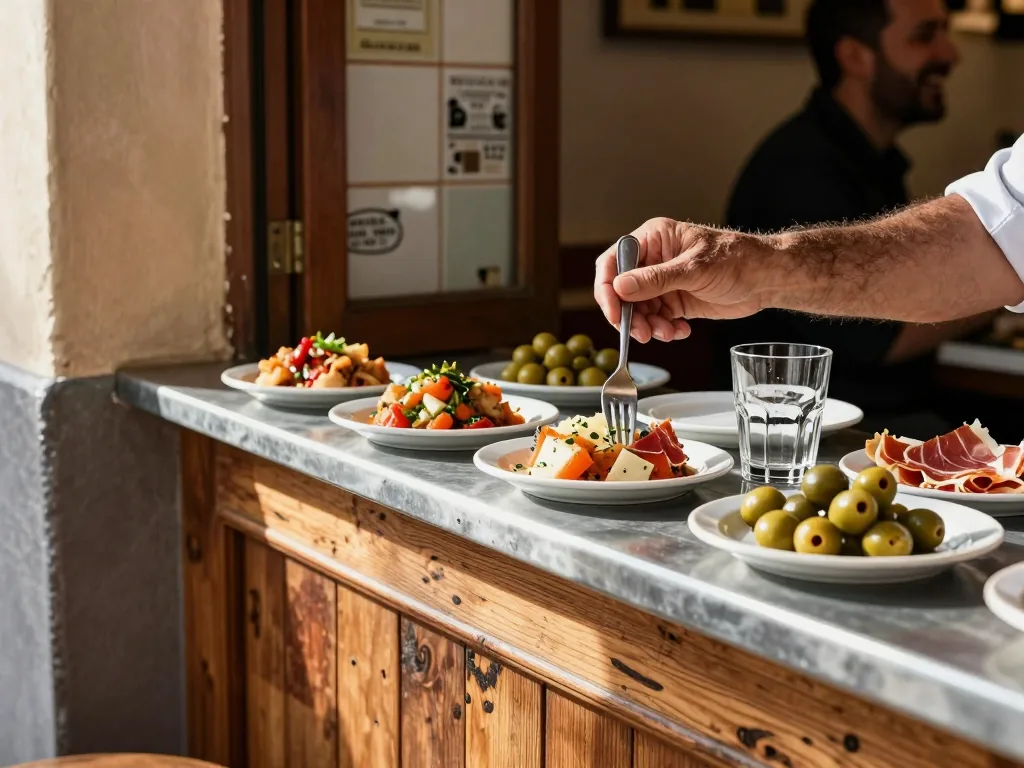
Skip the crowded plazas and overpriced tourist menus—the real Girona lives in its narrow lanes, where locals squeeze into tiny bars for a €2 wine and a plate of patatas bravas that puts fancier kitchens to shame. This guide pulls back the curtain on nine cheap tapas bars that residents actually swear by, steering you away from tourist traps and toward genuine neighborhood haunts. You’ll learn how to spot the best-value spots, what to order like a regular, how to pay without fuss, and the unwritten rules of local tapas culture that turn a quick bite into a proper evening. Whether you’re passing through or planning to stay a while, these are the places where the city’s heart beats loudest—and your wallet stays happy.
Finding the Right Neighborhoods for Cheap Tapas
Why the Old Town and Outlying Barris Beat the Tourist Core
Visitors often anchor themselves to the Rambla de la Llibertat or the Cathedral’s stone steps. That is a mistake. Prime real estate means the rent shows up on your plate—patatas bravas there can run €7 to €9, with a sauce that’s often a watery afterthought. The real bargains sit a few streets deeper. In the Barri Vell, ditch the main thoroughfares and slip into the narrow, shadowed alleys behind the Basilica de Sant Feliu. There, stone walls remain unpainted for tourists, and bar doors open onto quiet plazas where cutlery clatters as the only soundtrack. Push further out to the residential barris of Sant Narcís and Santa Eugènia, and you enter another economy entirely. These neighborhoods see no sightseeing routes. Bars survive on the loyalty of the same fifty neighbors—morning coffee, lunchtime vermouth, evening wine. With a steady clientele, margins stay thin, portions stay honest, and prices cling to local wages. Expect a generous tapa of patatas bravas or croquetas at €2.50 to €4 per plate, and a small beer from €1.80 to €2.50.
How to Spot a Local’s Bar from the Street
Skip the local guide; just slow down and read the clues. Ignore any bar with a laminated, multi-page English menu taped to the window—that’s a trap. A local’s bar posts nothing outside, or at most a single chalkboard leaning by the doorframe. Look for wear: dark, scuffed tiles, a long wooden counter polished by a thousand elbows, bar stools with a slight wobble. The crowd tells you most. People standing shoulder to shoulder, plates resting on the counter, conversations tangling with the barman’s—that’s a bar doing its job. Then comes the foolproof sign: a chalkboard inside advertising a “menú del día” under €16. That price—typically €12 to €15 per person with a drink and dessert—only exists when the kitchen cooks for its actual neighbors. See it, walk in, grab a stool, and order whatever the person next to you is having.
Understanding Pricing and the Free Tapa Ritual
The Real Cost of a Drink and a Tapa
Before you sidle up to any bar in Girona, recalibrate your expectations. This isn’t Barcelona, and there’s no tourist markup here. At the counter, a caña—that small, perfectly chilled draft beer—or a xarrup, a modest pour of local wine, runs anywhere from €1.50 to €2.50 per glass. A single tapa or pintxo, whether displayed on the counter or brought fresh from the kitchen, costs between €2 and €4 per piece. Truly hungry? The smartest move is the menú del día at lunch. For a starter, a main course, a drink, and dessert or coffee, you’ll pay €12 to €16 per person. That’s a full sit-down meal for less than the price of a single cocktail in most cities.
The Hora del Vermut and the Free Tapa Rule
Here’s the secret that separates tourists from locals: the free tapa ritual. From late morning to early afternoon, especially on weekends, many bars give you a free tapa with every drink you order—beer, wine, or vermouth. It’s the single best way to eat cheaply and sample the house style without spending extra.
Understand the rhythm of this custom. You don’t order a round of drinks and a plate of food. You order one drink, and the tapa arrives. It might be a slice of potato tortilla on bread, a small skewer of marinated anchovy, or a spoonful of slow-cooked beef cheek. Often small but always authentic. Eat it. Sip your drink. Still hungry? Order another drink and receive another tapa. That’s how you build a meal over the course of an hour, tasting different dishes as you go.
Don’t ask for a menu when you’re doing this. Don’t ask for bread or olives unless you want to pay extra. The free tapa is a gift, given on the house’s terms. Locals know which bars are generous with portions and which are stingy, and they vote with their feet. Your job is simple: find a bar with a crowd, claim a spot at the counter, and let the ritual take over. The cost of a slow, satisfying lunch of three or four drinks and their accompanying tapas will rarely exceed €10 per person. That’s not just cheap; it’s the very definition of eating like a local.
What to Order: The Local Tapas Canon
The Essential Dishes You Will See Everywhere
Step into any bar in Girona, and you’ll spot the same five dishes waiting behind the glass counter. That’s not a lack of imagination—it’s a sign of respect. Patates braves come as rough-cut potatoes fried until crisp, then smothered in a smoky, mildly spicy sauce that changes from bar to bar. Escalivada is a humble plate of charred peppers, eggplant, and onions dressed in olive oil, often served cold with a pinch of salt. Croquetes are the real test of a kitchen: creamy béchamel inside, shattering golden crumb outside, usually flavored with ham or salt cod. Anxoves—anchovies cured in vinegar and oil—arrive straight from the tin, sharp and briny, best eaten with a chunk of bread. And botifarra amb mongetes, the local sausage with white beans, is less a tapa and more a meal in disguise. These dishes are cheap, filling, and rarely disappoint. You won’t find foam, gels, or tweezers here. What you’ll find is food perfected over decades.
The Tapa de la Casa and Daily Specials
Your smartest move? Ask for the tapa de la casa. It’s the bar’s daily invention—often something fried or marinated that the kitchen whipped up that morning. It might be a battered artichoke heart, a slice of pork loin in a vinegary marinade, or a small pile of sautéed mushrooms with garlic. It changes constantly, and it’s always worth the price of a drink. The local approach is to order several tapas to share among two or three people. This isn’t a solo dining city; the plates go in the middle of the table, and everyone digs in. If you see a blackboard with handwritten specials scrawled in marker, order from it. Those chalked-up items are usually the best value of the day—the kitchen bought something fresh that morning and wants to move it. Expect prices from €2 to €5 per plate, with the daily special often sitting at the lower end.
Don’t expect elaborate plating. These are no-frills, honest dishes served on small white plates, meant to accompany conversation, loud laughter, and a glass of local wine. The beauty is in the simplicity, not the presentation.
Navigating the Bar: Etiquette, Seating, and Payment
Counter vs. Table: How to Save Money and Fit In
The first rule of tapas in Girona is simple: if you want the price locals pay, you stand. Ordering and drinking at the counter isn’t just a money-saving move—though it is that, with a surcharge of anywhere from €0.50 to €2 per tapa for table service in many spots—it’s also the social norm. Locals rarely sit down for a quick vermouth or a single tapa. They prop an elbow on the worn zinc, scan the display case, and point. Standing puts you in the middle of the action: the barman’s running commentary, the cook sliding a fresh plate of patatas bravas through the hatch, the regular who’s been coming here since the 1980s and will happily tell you what not to order. You’ll also eat faster, which matters when the bar fills up at 1:30 p.m. for the lunch rush. If you do sit, you’ll pay for the privilege—and you’ll mark yourself as a tourist. When in doubt, mimic the person next to you. If they’re standing, you stand.
Cash Rules and Minimum Card Payments
Cash is still king in these small, family-run bars. Credit cards may be accepted, but only for purchases above €5 to €10. Carry small bills and coins to avoid awkward moments at the till.
This isn’t a suggestion; it’s survival. Many of Girona’s best cheap tapas bars run on a system that predates the card machine. The owner might have a card reader, but it’s often tucked under the counter, dusty, and only brought out with a sigh for purchases over the minimum. A round of two tapas and two cañas might come to €8 or €12—under that threshold. Handing over a €50 note for a €6 tab will get you a look. Break larger bills at a supermarket or bank before your bar crawl. And if you plan to hop between two or three bars, bring enough cash for the whole round—not every place will have an ATM nearby. The nearest cash machine might be a five-minute walk away, and leaving your spot to find one means losing your place at the counter. Keep coins in your pocket, not your wallet, so you can pay quickly and move on. The sooner you settle, the sooner the barman can pour the next round for the person behind you.
Advanced Tips for Eating Like a True Local
Timing Your Visits to Avoid Crowds and Get the Best Tapas
The secret to Girona’s cheap tapas scene isn’t just where you go—it’s when you walk through the door. Locals guard their schedules fiercely, and you should too. The golden window is the hora del vermut, typically Saturday and Sunday mornings from around 11:30 AM to 1:30 PM. During this stretch, many bars in the old town and along the Riu Onyar toss in a free tapa with every drink, a tradition that vanishes the moment the lunch rush hits. For a proper weekday lunch, aim to arrive between 1:30 and 2:30 PM. This gives you first dibs on the counter stools and the freshest tortilla or croqueta before the 2:45 PM stampede of office workers. Evenings are far more relaxed—you’ll find empty bar tops and patient staff—but the free-tapa offer usually dies by mid-afternoon, so you’ll be paying full price for the same plate.
How to Build a Multi-Bar Crawl Without Overspending
A true local crawl is a rhythm, not a binge. Here’s the three-step dance that keeps your wallet fat and your palate curious:
- Start with one drink and one free tapa at your first bar. This is your warm-up—pick a spot with a reputation for its patatas bravas or pan con tomate.
- Move to a second bar for a paid tapa (expect to spend from €2 to €4 per plate) paired with another drink. This is where you chase the house specialty, be it anchovies in vinegar or a slow-braised meatball.
- Finish with a menú del día at a third spot if hunger still gnaws. This is the cheapest full meal in town, often running from €12 to €15 per person for two courses, bread, a drink, and dessert.
Never order more than two tapas per person at a single stop. The entire point is variety—a bite here, a bite there, a different glass of wine around every corner. This method lets you sample four or five house specialties across different kitchens while keeping your total spend comfortably under €20 per person. You’ll leave with a full stomach, a clear head, and the smug satisfaction of eating like someone who’s lived in Girona for years.
Eating well in Girona doesn’t demand a fat wallet—just the right instincts. Know where to look, follow the neighborhood cues, and stick to the rules: a tapa under three euros, a caña under two. Embrace the standing-at-the-bar habit. That’s how you unlock the same delicious, budget-friendly experience as the locals. Skip the tourist-trap plazas. Let your feet guide you to the side streets, where chalkboards announce the day’s specials. The next step is easy: pick one bar from this list, walk in with confidence, order a vermut, and let the counter decide the rest.