Find the Secret Speakeasies of Girona’s Jewish Quarter Without Feeling Like a Medieval Detective
Skip the medieval mystery—uncover Girona’s Jewish Quarter hidden bars with ease, no torch or treasure map required. Sip, explore, repeat.
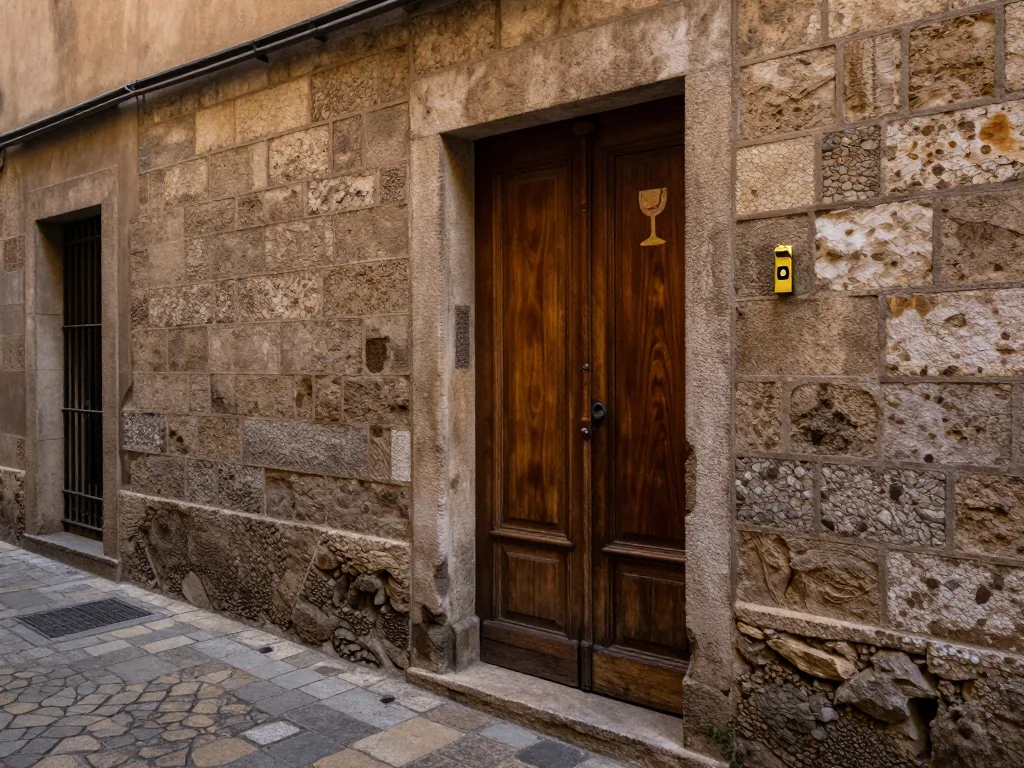
Finding hidden bars in Girona’s Jewish Quarter can feel less like a fun night out and more like a medieval detective exam you never signed up for. The only clue? A suspiciously ornate door knocker and a faint hum of jazz. But fear not. You don’t need a monk’s robe, a wax tablet, or a working knowledge of ancient Catalan plumbing to crack this code. This guide cuts straight past the cryptic alleyways and fake “secret” entrances to the real speakeasies, where pours are generous and the only mystery is why you didn’t come sooner. Think of us as your GPS for gin-tonics, minus the robotic voice telling you to turn around every time you pass a Roman arch. By the end, you’ll be sipping in style while other tourists are still arguing with a stone wall about whether it’s a door.
Why Is the Jewish Quarter of Girona a Hidden Bar Paradise
Because the medieval city planners apparently had a side gig designing escape rooms. The Call, as this maze of cobbled alleys is known, was built for defense, not for your happy hour—but that accident of history is exactly why it’s now a dream for drink hunters. Every dead-end, every sudden stairwell, every doorway that looks like a broom closet might just swing open into a candlelit wine den.
The Labyrinth Effect and How It Hides Your Next Drink
The streets here don’t follow logic; they follow the whims of a 12th-century goat path. You’ll turn a corner expecting a square and instead find a stone archway so low you’ll duck, only to emerge into a tiny courtyard with a bar tucked behind a rusted iron gate. This is the Labyrinth Effect: the same confusion that made invading armies give up now makes you feel like a genius when you stumble upon a vermouth bar that’s been pouring for decades without a single sign outside.
The trick is to stop looking for neon and start looking for clues. A chalkboard half-hidden behind a potted fern. A low hum of conversation leaking from a wooden door that’s slightly ajar. A string of fairy lights doing nothing to illuminate a path, but everything to say “humans are here.” If you spot a doorway that’s clearly been there since the plague but has a modern brass handle, push it. The worst that happens is you walk into someone’s laundry room, and you simply apologize and back out with dignity.
One practical tip: carry a mental map of the quarter’s three main lanes—Carrer de la Força, Carrer de Sant Llorenç, and Carrer de la Barca—and treat every side alley as a lottery ticket. You’ll find more bars in the first hour than you would in a month of straight streets, because the bars here are designed for people who enjoy the hunt as much as the pour.
What to Expect Inside a Medieval Stone Bar
Once you’re in, you’ll notice the walls are about three feet thick and have probably seen more centuries than your entire family tree. The stone does two things: it keeps the place cool in summer and warm in winter, and it makes every conversation sound like it’s being whispered in a cathedral. The lighting is either candle-based or so dim that you’ll squint at the wine list, which is fine because the list is usually short and excellent.
Don’t expect a cocktail menu with twelve pages of molecular foam. Expect a slate board with four or five local wines, a couple of craft beers, and maybe a house vermouth that tastes like it was poured from a barrel that’s older than your grandparents. The food, if any, tends to be small plates of cheese, cured meats, or marinated olives—ideal for stretching a single glass into an hour of people-watching through a tiny window that frames a slice of the cathedral tower.
Prices are refreshingly sane for a tourist-heavy zone: expect to pay from €3 to €6 per glass of wine, and from €8 to €15 per generous sharing board. The service is usually unhurried, which in the best way means you’re never rushed, and in the worst way means you might have to catch the bartender’s eye for a refill. That’s fine—you’re not going anywhere. The stone walls have decided that for you.
The Pedestrian-Only Rule and the Art of Wandering
Here’s the beautiful catch: almost the entire Jewish Quarter is pedestrian-only. That means no scooters whizzing past, no delivery vans blocking your path, and no honking—just the sound of your own footsteps on worn cobblestones and the occasional church bell. This rule is your best friend, because it turns the entire neighborhood into a walking-only bar crawl where the journey is half the fun.
To make the most of it, embrace the deliberate non-plan. Start at the top near the Cathedral, walk down toward the river, and take every street that looks like it might not lead anywhere. When you hit a dead end, don’t turn back; pause, look up, and check for a second-floor terrace or a basement door with a small brass plaque. The best hidden bars in Girona’s Jewish Quarter are often exactly where a map says “no through road.”
- Pick a starting point (e.g., the Jewish History Museum) and set a boundary (e.g., the river) so you don’t loop forever.
- Walk for ten minutes without checking your phone; if you see a group of locals chatting outside a door, that’s a strong signal.
- If a bar has a door open to the street, walk in—that’s an invitation, not an accident.
- When you find one you like, note the nearest landmark (a specific fountain, a painted tile) because you will absolutely not find it again by memory alone.
The rule also means you can wander safely at dusk, when the crowds thin and the bars start lighting their candles. That’s the golden hour for speakeasy hunting: the quarter feels like a stage set, and every unmarked door looks like a prop that might just open into a party. You’ll never cover the same route twice, and that’s the point. The pedestrian-only rule isn’t a limitation—it’s a permission slip to get gloriously, pleasantly lost in the best way possible.
How to Find Hidden Bars in Girona’s Jewish Quarter Without a Map
Finding a secret bar in Girona’s Jewish Quarter (the Call) is less about detective work and more about learning to read the neighborhood’s body language. The quarter is a labyrinth of narrow stone alleys where a doorway that looks like a janitor’s closet might actually lead to a candlelit wine den. You won’t need a magnifying glass or a deerstalker hat—just a willingness to follow your curiosity and a healthy tolerance for stairs. Hidden bars in Girona’s Jewish Quarter reward the patient, the thirsty, and the mildly nosy.
Look for the Subtle Signs That Say Drink Here
The first rule of finding a hidden bar is that it rarely screams “cocktails” in neon. Instead, look for the quiet tells: a single brass knocker polished by many hands, a chalkboard with only the word “Today” and a cryptic drawing of a grape, or a heavy wooden door left slightly ajar with the sound of clinking glasses escaping. In the Call, these signs are as subtle as a cat winking—you have to be looking at the right moment. A tiny ceramic plaque of a wine jug above an archway, or a wrought-iron lantern that’s lit during the day, are both excellent clues. Another classic is the “fake facade” trick: a bar that looks like a bookshop from the outside, but the “books” in the window are actually bottles of vermouth. If you see a doorway with a velvet curtain instead of a door, that’s not a mistake—that’s an invitation. The trick is to slow down. Walk at half your normal pace, and let your eyes drift to the details at shin level and above door height. And if you see a local pause, look up at a window, and then duck into a passage—follow them at a respectful distance. They’re not going to a meeting; they’re going to a pour.
The Main Streets of the Call and Where to Pause
The Jewish Quarter’s main arteries—Carrer de la Força and Carrer de Sant Llorenç—are tourist thoroughfares, but they’re also where the cleverest hidden bars hide in plain sight. On Carrer de la Força, look for a narrow passage between a spice shop and a ceramic studio; it often leads to a courtyard with a bar tucked into an old mikveh-adjacent cellar. On Carrer de Sant Llorenç, pause at the sharp bend where the street narrows—there’s a doorway with a low lintel that many people duck under, but few push open. The trick is to pause, not just pass. Stand still for thirty seconds, and you’ll notice which doors get more foot traffic than the building size suggests. A bar may also be signaled by a single hanging plant basket (geraniums = vermouth, ivy = wine, no plant = maybe just a sad hallway). Don’t ignore the tiny squares that branch off these streets, either. A bar might have its entrance on the main street but its terrace hidden around the corner, where you’ll find mismatched chairs and a waiter who knows the regulars by name. If you see a group of people standing outside a plain wall holding glasses, you’ve found it. Just smile, nod, and walk in like you’ve been coming for years.
| Clue to Look For | What It Usually Means | What to Do |
|---|---|---|
| Polished brass knocker | Well-used entrance | Push gently, don’t knock |
| Chalkboard with one word | Today’s special | Ask for “the usual” |
| Velvet curtain instead of door | Bar inside, no signage | Step through, say hello |
| Hanging plant basket | Vermouth (geranium) or wine (ivy) | Follow the plant type |
| Low lintel, many people ducking | Popular hidden spot | Duck and enter |
Courtyards and Tiny Squares Where Seating Is a Treasure Hunt
The most charming hidden bars in Girona’s Jewish Quarter are often set in the tiny courtyards that seem to exist only for laundry lines and stray cats. But look closer: a courtyard with a single wooden bench and a barrel for a table is a bar. The seating is the adventure—you might sit on a marble step, a repurposed church pew, or a wine crate that wobbles if you breathe too hard. These spots rarely have a sign; they have a presence. You’ll know you’ve found one when you see a person emerge from a door with a tray of small glasses and a bowl of olives. The squares—like the Plaça dels Jueus or the tiny Plaça de l’Institut Vell—have bars that spill out onto the cobblestones, with stools that look like they were rescued from a schoolhouse. The trick is to arrive early (around 6 p.m.) when the light is golden and the seats are free. Later, you’ll be negotiating with a couple from Barcelona for a spot on a stone ledge. Don’t be shy about sitting on the ground—it’s accepted, and the bar will often bring you a cushion if you ask nicely. The prices for a glass of local wine or a craft beer in these spots range from €3 to €7 per drink, and a small tapa of cheese or olives will set you back about €4 to €9. The joy is in the hunt, but the reward is a quiet corner where the only map you need is your own sense of direction—and your empty glass.
What to Order at a Secret Bar in the Call
Finding hidden bars in Girona Jewish Quarter doesn’t require a wax-sealed map, a fake mustache, or the patience of a Benedictine monk cataloguing ancient manuscripts. The Call is a labyrinth of stone alleys that look identical, but behind a few unmarked wooden doors lie some of Catalonia’s most charming speakeasies. You just need to know what to drink once you’ve slipped through the curtain—because nothing ruins the mood faster than ordering a piña colada in a 12th-century cellar.
Catalan Wines and Vermouth That Make You Feel Local
Ordering a glass of wine in the Call is less about reading a list and more about nodding confidently at whatever the bartender slides across the counter. The region’s signature is Garnatxa (Grenache), often from the Empordà DO, which sits just north of Girona. Expect a bold, berry-forward red that pairs beautifully with the cold stone walls and the faint echo of your own footsteps. If you’re feeling more refined, ask for a Xarel·lo or Macabeu white—crisp, slightly herbal, and suspiciously easy to drink in a single sitting.
Vermouth, however, is the true local handshake. In these hidden bars, it’s served on tap or from a dusty bottle, poured over a single large ice cube with a slice of orange and an olive. It’s sweet, bitter, and slightly medicinal—like a grown-up soda that also happens to be a personality trait. A “vermut de la casa” (house vermouth) will cost you from €4 to €7 per glass, and you’ll see locals nursing it for an hour while discussing the weather in rapid-fire Catalan. Do the same, and no one will ask if you’re lost.
Craft Cocktails and Beers for the Modern Medievalist
If wine and vermouth feel too much like a history lesson, the hidden bars of the Call have quietly modernized their menus. Think gin and tonics served in balloon glasses the size of fishbowls, with botanicals like rosemary and juniper that echo the area’s medieval apothecary vibes. A well-made Negroni or a local take on a Manhattan (using a Catalan brandy like Mascaró) will set you back from €8 to €12 per cocktail—reasonable for the privilege of drinking in a room that once stored grain for a besieged town.
Beer lovers aren’t left out, either. Several speakeasies stock craft brews from Girona’s own microbreweries, such as a hoppy IPA or a smooth toasted amber ale. These come in at around €4 to €6 per pint, and they’re shockingly cold against the medieval backdrop. A practical tip for the uninitiated:
Ask for “la carta de cerveses” (the beer list) if you want to avoid the house lager—it’s decent, but the locals only order it when they’ve already had three vermouths.
How Much You’ll Pay for the Atmosphere and the Pour
Let’s be honest: you’re not paying for the liquid alone. You’re paying for the flickering candlelight, the exposed stone arches, and the thrill of having found a door that looks like a broom closet but opens into a vaulted room with jazz playing at a respectful volume. The atmosphere is the real markup, and it’s worth it.
- Wine by the glass: from €3.50 to €8 per glass, depending on whether it’s a house pour or a reserve from a nearby estate.
- Cocktails: from €8 to €13 per drink, with the pricier options featuring premium spirits or labor-intensive garnishes.
- Beer (bottle or draft): from €4 to €7 per serving.
- Snacks (olives, cheese, or a small plate of fuet): from €5 to €10 per plate, and yes, you should order them—drinking on an empty stomach in a medieval cellar is a recipe for a very dramatic exit.
Hidden bars in Girona Jewish Quarter range from tourist-aware to genuinely locals-only, but the prices stay remarkably consistent. You’ll rarely exceed €15 per person for a solid evening of two drinks and a snack. The real cost is the time you’ll lose walking in circles trying to find the place again—but that’s half the charm, and the other half is the second vermouth you’ll order once you finally stumble back in.
Tips for Enjoying the Hidden Bars Without Losing Your Group or Your Cool
Hunting down hidden bars in Girona’s Jewish Quarter is less a night out and more a treasure hunt, where the prize is a gin and tonic and the map’s written in invisible ink. The good news? You don’t need a monk’s robe or a PhD in medieval architecture—just patience, a phone battery above 20%, and the willingness to stroll past the same stone archway three times while pretending it was intentional. Here’s how to sip like a local without turning your evening into an archaeological dig.
The Early Bird Gets the Stone Bench
Show up before the rush—think early dinner, not midnight—and you’ve already won half the battle. The Jewish Quarter’s narrow, winding streets are far easier to navigate when you’re not dodging selfie sticks or tour groups. Plus, these speakeasy-style spots run on a “if you know, you know” basis, and an empty room means bartenders have time to spill the secrets: the hidden door, the password, the bookshelf that swings open.
Seating’s another perk. These bars are tiny—ten stools and a counter older than your grandma’s recipe box—so early birds grab the prime spots near the window or the actual hidden nook. You’ll also dodge that awkward moment when you’ve found the bar but can’t find floor space, a real risk after dragging three friends through a cobblestone labyrinth. Aim to arrive within the first hour of opening, and you can study the menu (often handwritten, sometimes in Catalan) without pressure. The early crowd’s usually locals sipping quiet vermouths, which sets a wonderfully chill tone.
When to Go for a Quieter or Livelier Vibe
Crave a contemplative, candlelit evening where you can actually hear the stories behind the stone walls? Go on a weekday—Tuesday through Thursday, ideally. These nights are hushed, and you might have the bar to yourself, or share it with regulars who’ve been coming since before the place had a sign (it still doesn’t). The vibe is intimate—a library with a liquor license—and bartenders are more inclined to chat about the building’s history, which often includes a former synagogue, a workshop, or a hiding spot for something less legal.
Want a livelier scene? Hit the same bars on Friday or Saturday, but brace for a crowd. The music swells, conversations spill into the street, and you might share a tiny table with strangers who become friends by round two. The trade-off is energy over intimacy. Groups thrive on weekends; dates or solo nights are better kept quiet. One pro tip: ask if there’s a back room or courtyard—many have one, and those spots vanish first on busy nights, so inquire early.
How to Chat Up the Bartender Without Sounding Like a Tourist
These bartenders are part historian, part mixologist, part gatekeeper. They’ve heard every “So, is this a secret bar?” joke imaginable, so skip the obvious and lead with curiosity. Ask about the building’s past—many of these spaces date back centuries, and staff love sharing whether it was a kosher butcher shop or a merchant’s home. You don’t need fluent Catalan or Spanish, but a few polite phrases (“bon dia” or “gràcies”) work wonders.
Order smart, too. Skip the mojito or “something fruity” and ask what they’re known for—many bars have a signature drink with local herbs, wines, or liqueurs. Or request a recommendation based on taste: “Something dry and herbal” or “A gin cocktail with a twist.” That shows you’re engaged, not just ticking boxes. And if you want the secret handshake (literally, some bars have a knock code or password), just ask politely—they’ll often spill if you’re not pushy. Be a curious guest, not a detective grilling a suspect.
The hidden entrance is rarely locked; it’s just waiting for someone bold enough to try the handle.
- Start with a compliment about the space—it’s genuine and breaks the ice.
- Ask for the house specialty instead of a classic cocktail.
- Mention you’re exploring the Jewish Quarter’s history; they’ll often share a story no guidebook has.
- If they’re busy, step back and wait—don’t hover over the bar like it’s a ticket counter.
- End with a tip (5–10% is fine) and a warm “gràcies”—it’s remembered.
With these tips, you’ll navigate the hidden bars in Girona’s Jewish Quarter like a seasoned regular, not a baffled tourist. The secret isn’t the password or the unmarked door—it’s relaxing, asking good questions, and letting the evening unfold at its own medieval pace. Now go find that bar, order something you can’t pronounce, and toast to the fact that you didn’t need a map after all.
The Takeaway: Your Inner Detective Can Finally Retire
So there you have it. You can now hunt down Girona’s hidden bars in the Jewish Quarter without dressing up as a medieval detective, wax tablet and suspicious squint sold separately. The secret isn’t a riddle carved into a stone wall or a cryptic whisper from a ghostly rabbi. It’s knowing where to look, what to listen for, and when to follow the faint clink of glasses instead of the faint smell of old parchment. You’ll leave with a story far better than “I found a door.” You’ll have found the vibe, the vermouth, and the perfect spot to pretend you’re a local who’s been there all along. Next step? Pick one alley, trust your ears, and walk in like you own the place. Just don’t try to pay with shekels—that joke only works once, and the bartender has heard it twice. The real treasure of the Jewish Quarter isn’t a secret map. It’s the fact that you can now enjoy its hidden bars with all the thrill and none of the homework.