The Only Guide to Girona’s Vermouth Bars You’ll Ever Need, Served With a Side of Catalan Sass
Craving vermouth bars in Girona? This witty guide pours the best traditional Catalan spots, plus enough sass to pickle your olives.
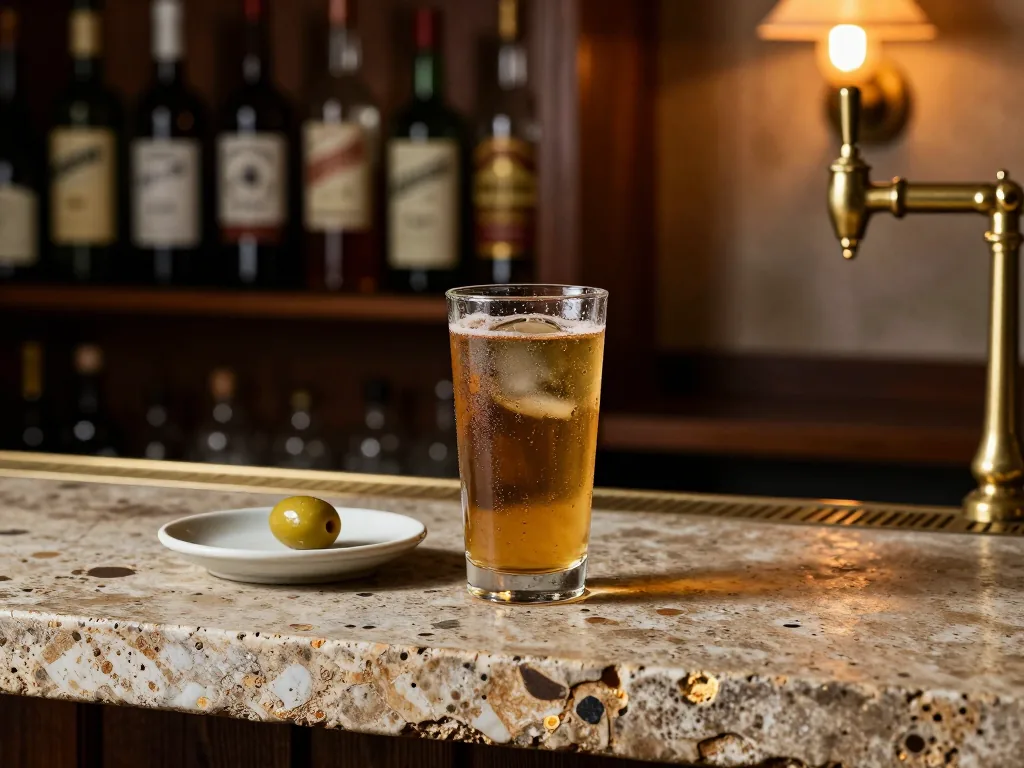
Forget everything you think you know about aperitifs. Vermouth bars in Girona, traditional Catalan style, are less about a dainty glass and more about a glorious, unapologetic ritual involving olives, anchovies, and a side of attitude. It’s the Mediterranean’s answer to happy hour, only with more marble counters, louder gossip, and a bartender who will silently judge you for asking for ice without at least wincing. Consider this guide your backstage pass to the city’s best vermouth dens, where the bitter-sweet elixir flows like liquid sunshine and the sass is complimentary. By the time you’re done, you’ll know exactly where to sip, what to nibble, and how to nod knowingly when the locals get into a spirited debate over the proper soda-to-vermouth ratio—because trust me, they will. So roll up your sleeves, loosen your belt, and get ready to be schooled in the fine art of doing absolutely nothing, very well.
What Exactly Is a Vermouth Bar and Why Is Girona the Place to Find One
Picture this: a bar where the drink doubles as a time machine, and the free snack comes with an unspoken rulebook. That’s a vermouth bar—a Catalan institution where fortified wine meets sparkling soda, olives meet toothpicks, and conversation takes a leisurely stroll that would make a Mediterranean siesta look rushed. Girona, with its medieval alleys and riverside charm, doesn’t just have vermouth bars; it has them the way Italy has pasta—plentiful, proud, and stubbornly unchanged since your abuela’s childhood. Hunting for vermouth bars in Girona? You’re not after a drink; you’re after a ritual.
The Catalan Vermouth Ritual Explained Without the Pomp
Let’s cut the pretension: vermouth is wine flavored with herbs and botanicals, then fortified. Not fancy, not fussy—in Girona, it’s practically a civic duty. The ritual kicks off with the glass: a small tumbler, not a crystal goblet, because we’re not performing surgery here. You’ll get your vermouth over ice, often with a slice of orange and a green olive, plus a splash of soda if you request it “con gas.” That’s the whole show. No shaking, no stirring, no smoke-infused theatrics. The real magic lies in the timing: vermouth hour is a pre-lunch affair, typically between noon and two, when the bar fills with locals who treat the drink as a warm-up lap for the main event.
The etiquette is simpler than you think, but the unwritten rules are sacred. Order one glass, sip it slowly, and never—ever—rush the snack that arrives with it: a few olives, a sliver of potato chip, or a piece of tortilla. Feeling bold? Pair it with “patatas bravas” or anchovies, but the core point is to linger. In Girona, a vermouth bar isn’t a pit stop; it’s where you master the art of doing nothing, beautifully. And the beauty? Nobody checks their watch, because the watch is already on Catalan time.
Why Girona’s Old Town and Rambla Are the Perfect Backdrop
Girona’s Old Town isn’t a museum; it’s a living, breathing stage where the walls have seen more drama than a telenovela, and the cobblestones have soaked up centuries of spilled vermouth. The narrow streets, with their ochre facades and laundry strung between balconies, create an intimacy no modern lounge can fake. You’ll find vermouth bars tucked under stone arches, in former bakeries, or behind unassuming wooden doors that open to a courtyard where the only sounds are the clink of glasses and the occasional gossip about the neighbor’s cat. The Rambla, meanwhile, serves as the city’s open-air living room—a tree-lined promenade stretching from the river to the cathedral, where locals gather to watch the world amble by, glass in hand.
This backdrop’s genius is that it forces you to slow down. You can’t rush through a medieval square without tripping, and you can’t sip vermouth on the Rambla without noticing the light dancing on the Onyar River. A good vermouth bar in Girona spills tables onto the street, where you can observe the parade of life—dogs, strollers, tourists clutching maps, and locals who’ve strolled this exact path for decades. It’s a setting that makes you feel like you’ve wandered into a film, but here’s the twist: you’re not an extra; you’re the protagonist, and the next glass is always within arm’s reach. So, when you search for “vermouth bars in Girona,” remember you’re not just finding a place to drink—you’re discovering the perfect excuse to sit still and let the city do the talking.
- Look for bars with a “vermutería” sign or a brass tap on the counter—that’s the flag of authenticity.
- Ask for “vermut de la casa” (house vermouth) if you want the local blend, often made in small batches.
- Pair it with a “coca de recapte”—a flatbread with roasted vegetables and anchovies—to avoid a solo-booze situation.
- Prices for a glass typically range from €3 to €6, with free snacks on the house, though fancier spots might charge for the plate.
How to Spot a Traditional Catalan Vermouth Bar in Girona
Finding a proper vermouth bar in Girona is less about following a map and more about trusting your instincts—and your nose. You’re hunting for the spot where the after-church crowd gathers, where the bartender greets you like an old friend who owes you money, and where olives arrive the size of your thumb. These bars don’t advertise; they simply exist, tucked into narrow stone streets, daring you to stroll past. Here’s how to spot them before you even touch the door handle.
Wooden Counters, Tiled Walls, and Vintage Décor Clues
The first giveaway is the counter. A traditional Catalan vermouth bar boasts a wooden surface that’s seen more elbows than a physiotherapist’s waiting room—dark, worn smooth, and slightly sticky in the most reassuring way. This isn’t a sleek marble affair; it’s a solid slab that’s held up glasses, napkins, and the occasional dramatic sigh for decades. Spot a brass rail for your foot, and you’re already in the right place.
Now, check the walls. You’ll find hand-painted tiles, often in faded blues, greens, and yellows, depicting grapes, barrels, or folks doing absolutely nothing but looking smug about it. These tiles aren’t just decoration; they’re a proud declaration that this bar predates your grandmother’s first vermouth. The décor runs to old tin signs for brands you’ve never heard of, a dusty bottle collection on high shelves, and maybe a clock that stopped sometime in the 1970s—nobody fixes it, and nobody cares. The chairs won’t match, and the lighting is dim enough to hide that the tablecloth is actually wipe-clean plastic. That’s not neglect; that’s character. If you see a single flat-screen TV blaring a football match, you’re still fine. If you see a minimalist neon sign reading “Vermut & Tapes,” run.
Here’s a quick cheat sheet to separate the authentic from the tourist trap:
| Indicator | Traditional Bar | Faux Trendy Spot |
|---|---|---|
| Counter | Worn wood, no coasters needed | Polished concrete, menu on a tablet |
| Wall decor | Hand-painted tiles, vintage ads | Exposed brick with fairy lights |
| Olive toothpick | Plastic, from a communal jar | Single gold-plated skewer |
| Music | Vinyl or a quiet radio | Playlist of “Catalan chill vibes” |
| Staff attitude | Gruff but warm after two minutes | Overly bright, rehearsed smile |
The Barrel Test and Other Signs You’re in the Right Place
A truly traditional vermouth bar keeps a barrel—usually a small, dark wooden cask perched on or behind the counter. This isn’t for show; it’s the source. The bartender pours your vermouth straight from the barrel into a small glass with a thick lip, often topped with a slice of orange and a single olive on a toothpick. If they ask “amb gas o sense?” (with or without soda), you’ve passed. If they just add a splash of soda and a lemon twist without asking, you’ve hit the jackpot.
Another tell is the pace. In a genuine bar, nobody rushes you. You order one vermouth, and twenty minutes later you’re still nursing it while nibbling on a free plate of potato chips or some tiny salt-cured anchovies. Conversation flows, the door keeps swinging, and the bartender occasionally refills your glass without asking—then adds it to a mental tab you’re expected to settle sometime before the apocalypse. Also, scan the crowd. If the room is full of locals over fifty arguing about a bicycle race, plus a few younger folks who clearly learned the ritual from their grandparents, you’re golden. If the only other customers are clutching cameras and maps, you’ve wandered into the wrong alley.
A good rule of thumb: if the bar has a dedicated “vermut” hour that’s actually late morning, you’re on track. And the price should feel almost embarrassingly fair—expect a glass to cost anywhere from €2.50 to €5 per serving, depending on the neighborhood and the snack situation. That’s the traditional way: cheap, unhurried, and served with a side of Catalan sass—meaning you’ll get teased for ordering with too much ice, but you’ll be invited back tomorrow.
What to Order and How to Drink It Like a Local
Let’s get one thing straight: vermouth in Girona isn’t a drink; it’s a civilizational achievement. It’s a pre-lunch ritual that elevates doing absolutely nothing into a proud, collective sport, complete with its own rules, uniforms (a slightly rumpled shirt works), and referees (the bartender). Before you even think about pointing at a menu, understand this: locals don’t order—they negotiate. Using a subtle language of eyebrow raises and shoulder shrugs, they’ve already told the bartender their life story, their political leanings, and their preferred ice cube size. Master the basics below, and you’ll go from tourist-with-a-phone to honorary Catalan in the time it takes to drain a chilled glass. No small feat.
Un Vermut, Please The Simple Order That Opens Doors
Walk into any traditional Girona bar—the kind with century-old wood, a tired ceiling fan, and a cat that clearly owns the place—and say un vermut, si us plau. That’s it. No brand, no fuss, no “dry” or “sweet” unless you’re feeling fancy (which, let’s be honest, you’re not ready for yet; your palate is still wearing training wheels). The bartender will pour a house vermouth from a bottle that’s been chilling in a custom fridge since before you were born, and it’s been judging you since day one. It arrives a deep amber, slightly bitter, and served in a stemmed glass with a single large ice cube that clinks like a tiny, satisfied church bell.
- Let it sit for 30 seconds before drinking. Yes, a whole half-minute. This is the time to admire the ice, not to panic. Think of it as a mini-meditation with a boozy finish.
- Take your first sip small—like you’re tasting a memory—then immediately look at the bartender and nod once. This nod is the Catalan equivalent of a standing ovation, complete with invisible confetti.
- Never ask for a cocktail. This is vermouth, not a mixology lab. If you want a Negroni, leave and go find a neon-lit bar with Edison bulbs and a man with a waxed mustache.
The pour comes with a gratis snack: usually a single olive, a potato chip, or a sliver of anchovy toast. That’s not a freebie; it’s a test. Eat it slowly, wipe your fingers on the napkin, and don’t ask for a second one until you’ve finished your glass. The ritual is about pause, not pace. If you rush, the bartender will know, and the entire bar will silently judge you while pretending to read a newspaper. They’ve been practicing that fake-reading for decades.
Orange Slice, Green Olive, and the Art of the Slow Sip
Now we get philosophical. A proper Girona vermouth is always served with a thin slice of orange—not a wedge, a slice, like a translucent sun that’s had a rough night—and exactly one green olive, usually pitted, floating reluctantly on top like a tiny life raft. You do not eat these immediately. That would be like opening your presents before breakfast. You let them marinate in the vermouth’s bitter-sweet warmth while you sip, allowing the flavors to mingle and plot their delicious takeover. The orange is there to perfume your nose, not to be devoured like a fruit salad. The olive is the final punctuation mark, eaten only when the glass is nearly empty, as a single, savory goodbye. A poignant moment, really.
The slow sip is not a technique; it’s a contract. You drink for at least forty-five minutes, or you haven’t drank at all.
If you nail this, you’ll unlock something rare: the bartender will refill your glass without asking, and you’ll receive a slightly better snack on the second round—maybe a small piece of tortilla or a tiny pastry. This is the secret economy of Girona vermouth bars, where loyalty is rewarded with carbohydrates, and the currency is patience. Approach the orange slice like a conservationist: nibble the zest gently, but never bite into the pith. That bitter crunch is a flavor assault you won’t recover from before lunch; it’ll haunt your afternoon siesta. And by all means, if the vermouth comes with a straw, place the straw aside and sip from the glass edge. That oily, botanical surface is where the magic lives, and a straw is just a plastic bridge to nowhere. A scenic route to absolutely nothing.
The price for this ritual at a traditional spot runs from €2.50 to €4.50 per glass, with the gourmet versions—house-infused with herbs or served in a larger balloon glass—climbing to €6 per serving. That’s a bargain for a masterclass in unhurried joy, served with a side of Catalan sass. Take your time, or take your leave, because Girona’s vermouth hour waits for no one—except everyone, all at once, forever. It’s a beautiful paradox, and it’s waiting for you.
The Perfect Snack Partners for Your Vermouth Adventure
Let’s be real: vermouth in Girona isn’t so much a drink as a lifestyle choice with a tiny umbrella. But even the most magnetic bitter-sweet pour needs a wingman—or seven—on the plate. In Catalonia, the vermut ritual is a full sensory opera where the glass plays lead soprano and the food is that chorus that just won’t quit. So before you raise that chilled glass to your lips, let’s talk about the edible entourage that turns a casual sip into a proper Catalan institution.
From Olives and Anchovies to Esqueixada and Botifarra
No vermouth in Girona is complete without tipping your hat to the salty quartet: olives, anchovies, pickled onions, and banderillas—those skewered little soldiers of vinegar and brine. Consider them the opening act that wakes your palate with a firm but friendly slap. A proper spread stars arbequina olives (tiny, buttery, and dangerously moreish), boquerones in vinegar (white anchovies so tender they practically evaporate), and the occasional esqueixada—a shredded salt cod salad with tomato, onion, and olives that tastes like the Mediterranean scribbled you a love letter.
Then rolls in the heavier artillery. Botifarra (Catalan sausage) gets grilled and sliced into thick coins, often lounging next to white beans or alioli. It’s hearty, garlicky, and exactly what you need when the vermouth nudges you toward philosophy. A handy rule: if your snack doesn’t have you reaching for another sip within thirty seconds, it’s slacking on the job. The beauty of this spread is its flexibility—nibble lightly or morph it into a full-blown feast, and both are equally correct. Just don’t skip the anchovies; they’re not a garnish, they’re a commandment.
The trick is to balance salt and acid so each vermouth sip tastes like a brand-new discovery, not a repeat episode.
Pa Amb Tomàquet and Other Carb-Loaded Companions
If the salty quartet is the opening act, pa amb tomàquet (bread with tomato) is the beloved headliner who never ages. This isn’t just toast with a squish of tomato; it’s a ritual: rub a ripe tomato half over grilled country bread, drizzle with olive oil, add a pinch of salt—and, if you’re feeling decadent, a sliver of pernil (cured ham). The result is a crunchy, juicy, oily canvas that soaks up vermouth beautifully and makes you wonder why fancy crackers ever got a seat at the table.
But let’s not park at bread. Girona’s vermouth bars also love to toss in:
- Patates braves with a spicy-sweet sauce (not the angry kind, just the confident kind)
- Croquetes—creamy béchamel bombs, often with ham or mushrooms, that shatter on first bite
- A small plate of truita de patates (Spanish omelette), served warm or at room temperature, because cold tortilla is a crime against texture
- Pimientos de padrón—some mild, some sneaky hot; it’s Russian roulette with vegetables
These carbs aren’t mere fillers; they’re the emotional support system for your alcohol. The bread soaks up the herbal notes of the vermouth, while the fried stuff delivers that satisfying crunch that keeps conversation flowing. Pair your pa amb tomàquet with a red vermouth (sweeter, spicier) or a white one (lighter, more citrusy), and you’ll see why Catalans rarely order vermouth without a side of pa. Just be ready to request a second basket—it vanishes faster than your good intentions for a “light afternoon.”
When to Go and How to Master the Leisurely Aperitif Vibe
First, a confession: Girona’s vermouth culture is not a sprint; it’s a delightful, unhurried crawl with a snack in one hand and a glass in the other. Charge in like a tourist on a four-city day trip, and you’ve missed the whole show—vermouth here is a ritual, a deliberate pause button pressed between the morning market and the afternoon nap. The golden rule? Arrive with time to burn and zero urgency in your soul. Think of it as brunch’s older, slightly more alcoholic Catalan cousin, but with better olives and no avocado toast in sight.
Weekend Mornings and Early Afternoons The Sweet Spot
Roll into a Girona vermouth bar before noon on a Saturday, and you’re not early—you’re wise. The traditional window runs from about 11:30 a.m. to 2:30 p.m., when the city’s collective metabolism slows to a Mediterranean simmer. This is when you’ll find locals—grandfathers in tweed caps, friends splitting a plate of anchovies, couples arguing lovingly over whose turn it is to pour the next round—all basking in the particular genius of a low-alcohol, herb-infused wine served over ice.
The sweet spot is technically the “eleven-thirty shift,” when the bar stools are still free and the barman has time to chat about which tapas are fresh. By 1:00 p.m., expect a controlled chaos that’s actually part of the charm. Don’t make the rookie mistake of showing up for vermouth at, say, 5 p.m.—that’s whiskey or wine territory, and you’ll get a look of polite confusion that could curdle milk. The vibe is unhurried but intentional: you’re not drinking to get anywhere; you’re drinking to be somewhere. If you only have one window, make it the late-morning stretch, when the light hits the bar counters just right and the first pour of a house vermouth tastes like a gentle high-five from the past.
| When You Arrive | What to Expect | Best Move | Pitfall to Avoid |
|---|---|---|---|
| 11:30 a.m. – 12:30 p.m. | Quiet, barman chatty, perfect seats | Order a “vermut de la casa” with a twist of orange | Asking for a martini—this is not that |
| 12:30 p.m. – 2:00 p.m. | Buzzing, tapas trays circulate | Share a plate, let the bar recommend | Sitting at a table for two, blocking flow |
| 2:00 p.m. – 3:00 p.m. | Winding down, fewer refills | Ask for a second “pica-pica” snack | Expecting a full lunch menu |
| Weekday mornings | Ghost-town calm | Do a solo slow sip | Rushing; you’ll miss the point |
Standing at the Bar vs. Grabbing a Table A Strategic Guide
Here’s the nuanced truth that separates the casual observer from the vermouth connoisseur: where you stand (or sit) is a statement of intent. The bar counter is the beating heart of any respectable Girona vermouth bar—a cramped, marble-topped altar where elbows touch, glasses clink, and the barman’s opinion is law. If you’re alone, with a friend, or simply want the full sensory experience (the hiss of the soda siphon, the clack of olive pits on a small plate), stand. You’ll get faster service, easier taps on the shoulder, and the odd free tapa if the barman likes your vibe. Standing also means you’re signaling, “I’m here for the ritual, not the real estate.”
Grabbing a table, on the other hand, is for groups of four or more, for serious snacking sessions, or for those who want to stretch the hour into a mini-feast. A table gives you room for a full spread—crispy squid, potato bravas, a wedge of tortilla—but it comes with a slower pace of service. You’ll wave for refills, and that’s fine, because you’re not in a hurry. The strategic advice? Start at the bar for your first glass. Soak up the atmosphere, let the barman gauge your taste (sweet vs. dry vermouth is the eternal question), then move to a table if the conversation demands snacks. A price range to keep in mind: a generous glass of house vermouth plus a small tapa will run you from €3 to €7 per person, and a full spread with several dishes and three rounds lands from €12 to €25 per head. But remember, the cost is never the point—the leisurely aperitif vibe is the point, and you’ll master it the moment you stop checking your watch.
How Much to Pay and How to Navigate the House-Style Offerings
Welcome to the glorious, slightly sticky world of Girona’s vermouth bars, where the hour is always hora del vermut and the olive is never optional. Before you dive fork-first into the anchovy-stuffed treasures, let’s talk money and method—because nothing kills a Catalan afternoon faster than paying tourist prices for a drink that should come with a side of sidewalk philosophy.
The Price Range for a Glass of Vermouth in Girona
Let’s get straight to the point: a proper glass of vermouth in Girona will cost you anywhere from €2.50 to €4.50 per glass (or copa, if you want to sound local). That buys a generous pour, usually accompanied by a slice of orange, a green olive on a toothpick, and sometimes a stray potato chip that shows up like a tiny, salty gift. Sitting at a prime terrace on the Rambla? Expect the higher end. Elbow-deep in a snug bar near the Mercat del Lleó? You might get change back from a five-euro note.
Here’s the kicker, though: the price often includes the tapa—a small plate of olives, chips, or even a sliver of tortilla. So don’t be shy; that €3.50 glass is practically a two-course meal if you play your cards right.
- Standard copa (bar service): from €2.50 to €3.50 per glass
- Premium or aged vermouth (reserva): from €4.00 to €4.50 per glass
- Caraffed house vermouth (shared jug): from €8.00 to €12.00 per half-liter
The trick is to watch the locals: they order one, sip slowly, and then order another when the first is finished, not before. Nobody’s rushing you, and the bar isn’t either—unless you’re blocking the doorway, in which case all bets are off.
If the price seems too low for the neighborhood, you’re either in a locals-only gem or about to drink something that’s 80% ice—check your glass before you fall in love.
Barrel-Poured vs. Bottle-Served and the Mystery of House Vermouth
Now for the philosophical core of Girona’s vermouth culture: is it better straight from the barrel (de barril) or from a dusty bottle with a label that looks like your grandfather’s handwriting? The answer, like most things in Catalonia, is “both, but for different moods.” Barrel-poured vermouth is the raw, fresh, slightly chaotic version—often sweeter, more herbaceous, and poured with theatrical flair from a wooden tap that’s been in the family for generations. Bottle-served vermouth, meanwhile, is the reliable cousin: consistent, often drier, and perfect when you want to know exactly what you’re getting.
Then there’s the vermut de la casa—the house vermouth. This is the bartender’s secret handshake, a recipe that might include anything from orange peel to wormwood to a whisper of cinnamon. No two houses make it the same, and asking for its exact ingredients is like asking a chef for their grandmother’s recipe: you’ll get a smile, a shrug, and possibly a free refill out of pity. The rule of thumb is simple: if the bar has a barrel on the counter, try that first. If they only have bottles, ask for the house pour—it’s usually a blend they’re proud of, and they’ll serve it with a knowing nod.
The real joy, though, is in the ritual: the ice cube dropped with a clink, the orange peel twisted over the glass, the olive skewered like a tiny trophy. You don’t just drink vermouth in Girona; you participate in a slow, unhurried ceremony that says, “I have nowhere else to be, and even if I did, I’d be late.” So order your copa, let the barrel do its magic, and remember: the best vermouth is the one in front of you, at a table that’s slightly too small, with a friend who talks too loudly. That’s the house style, and it’s always on tap.
The Grand Finale, Best Served Chilled
So there you have it—a bar-hopping itinerary that’s less of a map and more of a love letter to Girona’s gloriously bitter, fizzy, and faintly anarchic soul. If you’ve been keeping score, you now know that a proper vermouth here isn’t merely a drink; it’s a standing ovation for the afternoon, a liquid handshake with a city that wouldn’t dream of rushing. Wander from a marble-topped counter to a sunlit square, and you’ll catch the golden rule: order it con una oliva, sip it slowly, and let the Catalan sass wash over you like the last fizz from the bottle. Your next move? Ridiculously simple. Pick a bar from this guide, stride in with zero shame, and ask for un vermut—because the only thing more insulting than a warm one is leaving Girona without sampling at least three.