Sip Along the Onyar: Girona’s Best Riverside Wine Bars
Discover Girona's best riverside wine bars along the Onyar. Sip local vintages with stunning views—your perfect guide to unforgettable evenings.
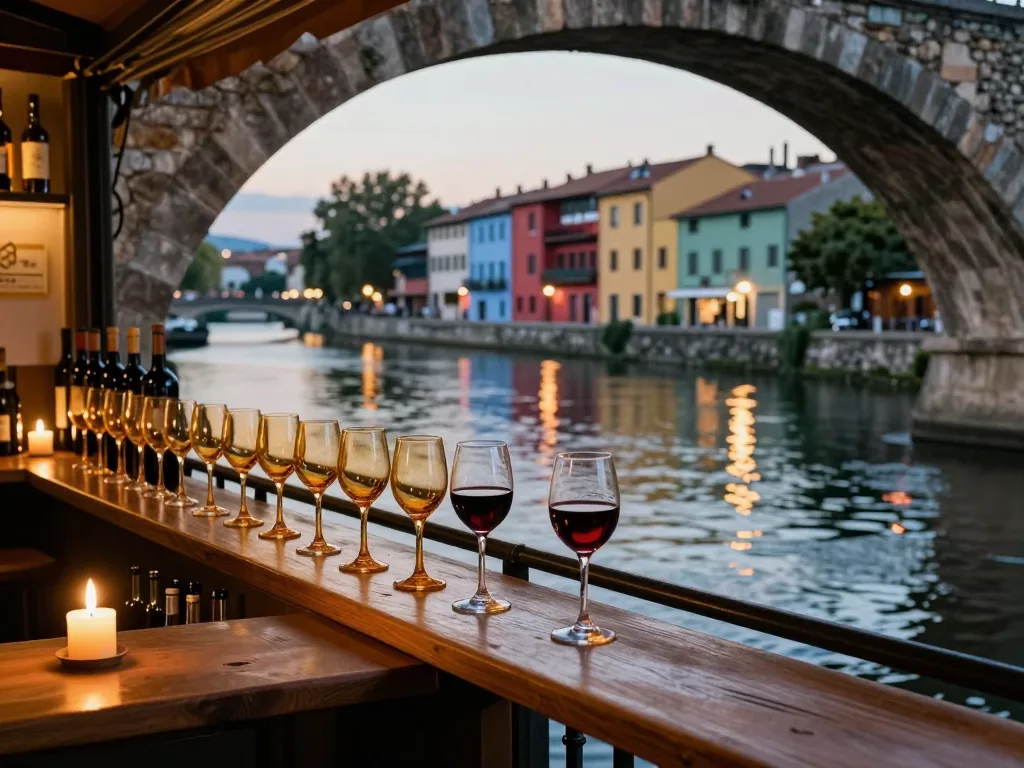
Few things capture Girona’s charm like a glass of wine in hand as the Onyar’s pastel facades ripple in the water. This guide cuts through the city’s riverside wine scene, pairing authentic Catalan pours with scenic terraces and practical know-how. You’ll discover where to look, what to expect for pricing and hours, and how to map a tasting route between the old town and Mercadal. From seasoned oenophiles to casual travelers, these curated spots elevate a simple drink into a golden-hour ritual you’ll remember.
Understanding the Riverside Wine Bar Landscape
Where the Bars Cluster and Why
The River Onyar cuts a liquid line between Girona’s ancient Barri Vell—its medieval core a labyrinth—and the more contemporary Mercadal district across the way. Almost every wine bar worth visiting sits within a five-minute walk of the water, yet the densest cluster hides in plain sight. Slip into the narrow alleys that spill off the river’s edge, especially those twisting behind the cathedral’s flank or winding toward the Plaça de la Independència. The squares opening directly onto the pedestrian bridges—the iconic Pont de Pedra and the wrought-iron Eiffel Bridge above all—anchor the most dependable routes. From these spots, you can map a bar crawl that never loses the colorful facades mirrored in the slow-moving water. One practical tip: cross early and often. The best terraces on the Mercadal side face the famous hanging houses, while Barri Vell’s bars tuck shaded corners into centuries-old stone arches.
The Typical Atmosphere and Clientele
No single profile defines the crowd here. Late afternoons draw locals—shopkeepers, university lecturers, retired neighbors—settling in for a pre-dinner glass of Priorat or a crisp Albariño, often with a small plate of olives or local cheese. Come evening, the mix shifts toward visitors lingering over tasting flights, debating garnatxa blanca against xarel·lo. The settings shift dramatically within a few blocks. Some bars are tiny, stone-walled rooms where barrels double as tables and the wine list appears chalked on a blackboard. Others are sleeker, with window seats framing the river and those postcard-perfect houses in ochre, terracotta, and faded pink. Conversation stays easy throughout—this isn’t a scene for blaring music or elbow-to-elbow chaos. The mood leans relaxed and unhurried, more neighborhood ritual than nightlife destination. Expect bartenders happy to pour a taste before you commit, and don’t be surprised if a local strikes up a chat about your chosen vintage. A glass of wine typically runs €4 to €9, while a flight of three small pours costs €12 to €18.
Choosing Your Wine: Catalan Regions and Styles
Key Denominations to Seek Out
Girona’s riverside wine bars showcase Catalan diversity, and their lists are anything but random. Three designations dominate, each with a distinct personality. Start with DO Empordà, the local hero from the nearby Costa Brava hinterland. Its reds are fresh and coastal, carrying a savory, Mediterranean herbaceousness; its rosés are dry, crisp, and dangerously easy to sip in the afternoon sun. For more muscle, ask for a DO Priorat. These bold, mineral-driven reds come from volcanic slate (llicorella) soils—expect dark fruit, firm tannins, and a lingering, rocky finish that begs for cured sausage. DO Penedès, meanwhile, covers your sparkling and white needs: a crisp, citrus-forward cava for celebration, or a light, aromatic white like Xarel·lo or Macabeu to cut through summer humidity. Ready to commit? Ask for a “vi de la casa” to sample the bar’s own house pour—often a well-kept local secret—or request a flight to compare all three regions side by side. Most bars rotate seasonal selections, so don’t hesitate to ask what’s newly opened; the answer often reveals a small-producer gem you won’t find elsewhere.
How to Order and What to Expect by the Glass
Ordering by the glass here is an exercise in trust, and the system is refreshingly simple. A standard glass of quality regional wine typically runs €3 to €8, with premium or aged pours (think reserva-level Priorat or a single-vineyard Empordà) at the higher end. Feeling adventurous? A tasting flight of three small pours—enough to compare a crisp Penedès white, a coastal rosé, and a structured red—usually costs between €8 and €15. The key is honesty with your server. State your preference upfront: dry or fruity, oaked or unoaked, light or full-bodied. Most staff at these riverside spots are deeply passionate about their lists and eager to share the story behind each bottle—the winemaker’s family history, the particular soil, the vintage’s weather quirks. Don’t be shy about asking for a recommendation; it’s the best way to discover a bottle you’d never pick yourself, and it often comes with a small pour to taste before you commit.
Food Pairings and Small Plates
Classic Tapas and Cheese Boards
Riverside bars along the Onyar keep their menus deliberately short—just enough plates to stretch a glass of wine into a proper meal. Catalan staples rule here, no kitchen theatrics required. You’ll find Garrotxa, a semi-cured goat cheese with a dusty blue-grey rind, and Mató, fresh and mild, often drizzled with honey. They sit alongside cured meats like fuet and llonganissa, plus bowls of Arbequina olives and boquerones—white anchovies in vinegar that slice through a crisp Albariño or a mineral-driven Garnacha Blanca. A tasting board of cheese and charcuterie runs €8 to €15 per plate. Individual tapas—patatas bravas, ham- or mushroom-filled croquettes, pan con tomate—hover around €3 to €6. And don’t skip the tinned seafood; many bars stock excellent ventresca or mussels in escabeche, perfect with a chilled rosé or light red.
When to Eat and How to Structure Your Visit
Spanish dining hours dictate what you can order, and these riverside spots follow the local rhythm. Kitchens open for lunch around 1:00 PM, pause for a mid-afternoon break, then reopen after 8:00 PM. Wander in between 5:00 and 7:00 PM—prime terrace time with the sun low over the water—and you’ll find only cold snacks: olives, cheeses, cured meats. That’s fine if you plan for it. For the full experience, target a late lunch at 2:00 PM or an evening session starting at 8:30 PM, when hot plates emerge and the bars fill with a relaxed local crowd. A smart move: order a flight of three wines—sparkling Cava, a young red from Empordà, and a sweet Garnatxa to finish—and pair it with two or three shared plates. You taste broadly without committing to a heavy meal, leaving room to stroll along the river afterward. Some bars offer a tasting menu of small portions built for exactly this, usually €15 to €25 per person—an excellent way to sample the kitchen’s range without going à la carte.
Practical Navigation and Timing
Getting There on Foot
The riverside is entirely pedestrian-friendly. From Girona Cathedral or the Jewish Quarter (El Call), you can reach the water in under ten minutes. Make Pont de Pedra your central landmark, then wander the alleys off Plaça de la Independència. With most bars within a 15-minute radius, you won’t need transport. The stone bridges themselves—especially Pont de les Peixateries Velles with its red ironwork—offer prime spots to scope out a terrace before committing. Cobblestones are charming but uneven; leave the heels and slick-soled loafers at home. Arriving by train? Girona station is roughly a ten-minute stroll from the river’s southern bank—just head toward the cathedral tower and you’ll hit the water before you know it. Cyclists can lock up at the public racks near Plaça de Catalunya, but the narrow Onyar lanes are best walked, saving you the hassle of weaving through strollers and fellow wine seekers.
Opening Hours and the Best Times to Go
Most bars open late morning, around 11:00 AM or noon, and stay open until midnight or later—though some pause for a few afternoon hours. Weekend evenings draw the biggest crowds, and riverside terraces fill fast. For a quieter experience, aim for a weekday late afternoon or early evening before 8:00 PM. This sweet spot lets you claim a rail-side table with direct views of pastel houses reflecting in the water, minus the dinner rush. Craving more energy? Arrive around 9:30 PM on a Friday or Saturday, when the promenade hums with local families, students, and couples sharing bottles of Empordà wine. Note that kitchens often stop serving food between 4:00 PM and 7:00 PM, though most bars still pour wine and offer small tapas during that gap. For a pre-meal glass, late morning shines—many places serve a light vermouth or sparkling wine with a small tapa, and the morning light casts a golden glow across the facades. Planning a longer tasting? Check if your chosen bar offers a wine flight; prices typically range from €8 to €15 for three pours, while a single glass of house wine usually lands between €3 and €6.
Making Reservations and Avoiding Crowds
When Reservations Are Essential
Planning to toast the sunset as the Onyar’s ochre façades shimmer on the water? A little foresight helps. On Friday and Saturday nights—and throughout peak tourist season—the most coveted riverside terraces vanish quickly. Book ahead to secure a table with a direct view of those iconic houses hanging over the river. Walk-ins work fine earlier in the day, say for a leisurely afternoon vermouth, but by early evening the prime spots are gone. Fortunately, most bars in Girona keep things refreshingly simple: a direct phone call or a quick WhatsApp message usually locks in your table, and deposits or credit card guarantees are rarely requested. Just specify whether you want terrace or inside seating, and note if it’s a table for two or a larger group. That small effort turns a potential scramble into a seamless, romantic evening.
Alternative Strategies for Busy Evenings
Even with a reservation, the riverfront can feel packed to the brim. If your first choice is full, don’t despair—adapt. Wander one block back from the water, where narrow, atmospheric streets hide several wonderful wine bars offering a different, often superior, experience. You’ll trade the direct river view for more breathing room, lower noise, and a more local crowd. Stone arches and hidden plazas in the old town create a cozy, intimate backdrop that’s arguably more charming.
Another smart move on a busy night is the “two-stage” approach. Start with a glass of sparkling cava or crisp white at a standing-only counter or a small, informal riverside spot—places designed for quick, lively stops. Then, when you’re ready to settle in, move to a seated terrace—perhaps one you’ve had your eye on—for dinner or a final bottle. You get the best of both worlds: the vibrant energy of the water’s edge and the relaxed comfort of a proper table, all in one delightful evening.
With a clear map of the bar districts, a working knowledge of Catalan wine regions, and smart timing, you’re ready to enjoy Girona’s riverside wine bars at their best. The Onyar’s terraces and hidden cellars offer more than just a glass—they frame the city’s medieval charm in every sip, from crisp Empordà whites to bold Priorat reds. Whether you’re a casual sipper or a devoted oenophile, the key is to wander slowly and let the river guide your pace. So, step out as the evening light softens the façades, pick a spot with a view, and order a pour you’ve never tried. Your next move is simple: head to the riverbank and make the first toast yours.